
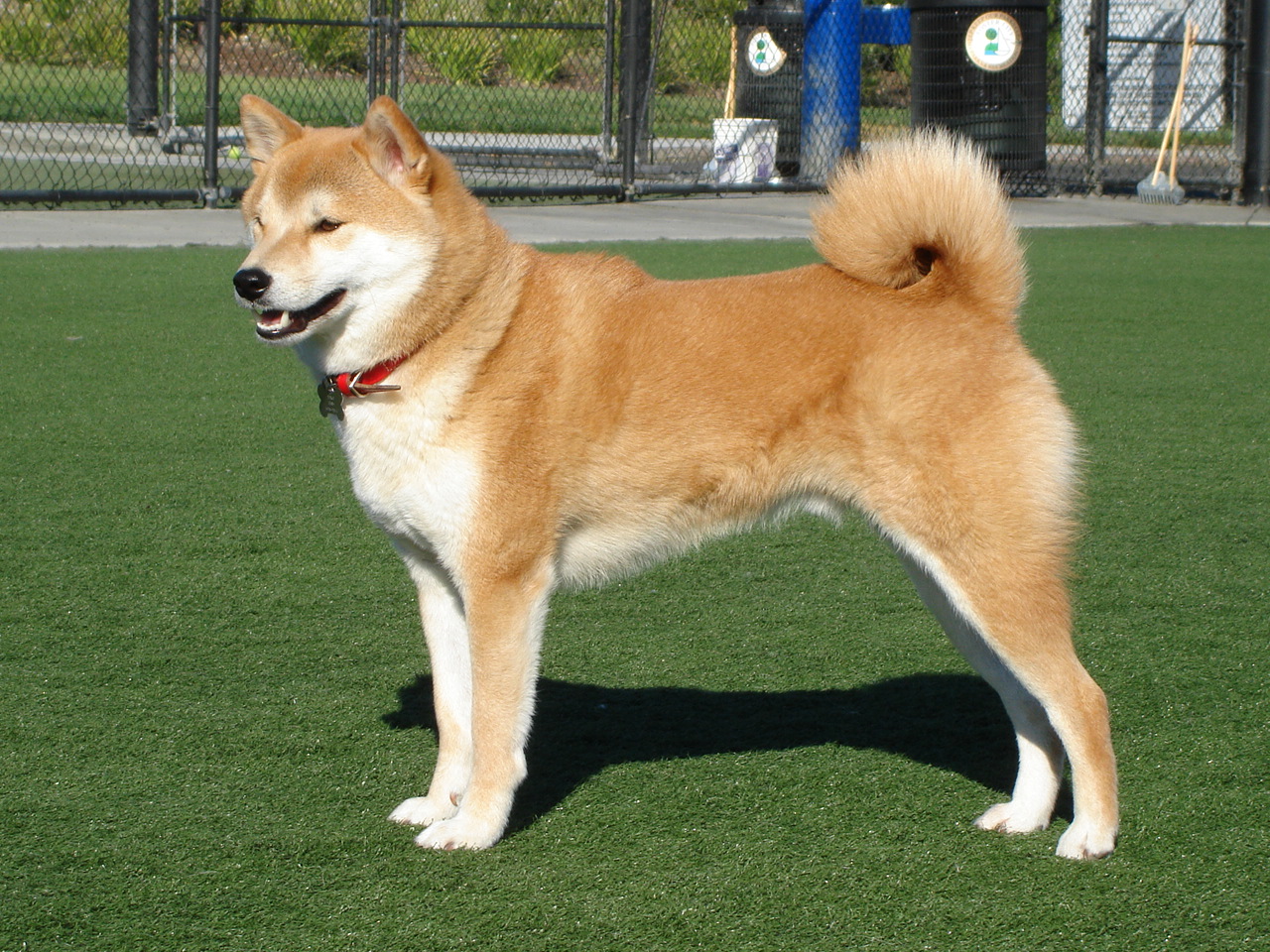
Akita vs Shiba Inu
Akita
Dog- Size
- Large
- Weight
- 32-59 kg
- Height
- 61-71 cm
- Lifespan
- 10-13 years
- Origin
- Japan
- Coat
- Thick double coat
Shiba Inu
Dog- Size
- Small-Medium
- Weight
- 8-10 kg
- Height
- 34-41 cm
- Lifespan
- 13-16 years
- Origin
- Japan
- Coat
- Thick double coat
Trait Comparison
Bars extend from center. The longer the bar, the higher the score. Winner is highlighted.
Editorial Insights
Written by breed specialists
Shiba Inu versus Akita is the Japanese breed comparison that confuses many prospective owners because these dogs look like scaled versions of each other. While they share Japanese heritage and a dignified, independent temperament, their size difference creates vastly different ownership experiences.
Key Difference Most People Miss
The critical difference beyond size is aggression toward other dogs. Akitas have same-sex dog aggression that is nearly impossible to train away — they should never be trusted off-leash around unfamiliar dogs. Shibas can also be dog-selective but are more manageable due to their smaller size.
History Explains the Difference
Akitas were bred as large game hunters and guardians in the mountainous Akita prefecture of Japan, developing a fierce loyalty exemplified by the famous Hachiko. Shiba Inus were bred for hunting small game in dense Japanese brush, requiring more agility and independence than brute strength.
Which Breed Fits Your Lifestyle?
Shiba Inus are better for apartment dwellers and first-time Japanese breed owners who want a manageable-sized dog with cat-like independence. Akitas suit experienced owners with large homes who want an imposing guardian that is fiercely loyal to family. Neither breed is recommended for dog parks or homes with small animals due to prey drive. For families with children, Akitas can be wonderful with their own family's kids but wary of visiting children, while Shibas are generally more tolerant of chaos.
Expert Analysis: Akita vs Shiba Inu
Data-driven comparison based on trait profiles, health data, and breed characteristics.
When comparing the Akita and Shiba Inu, prospective pet owners will find two dog breeds with distinct personalities and care requirements. The Akita is slightly easier to train than the Shiba Inu, though both breeds respond well to consistent, reward-based training methods. If you live in an apartment, Shiba Inu is the clear winner with an apartment-friendliness rating of 4/5, while Akita scores only 1/5 and would benefit from more living space due to its larger frame. There is a substantial size difference between these two breeds. The Akita is a large breed (32-59 kg), while the Shiba Inu is a small-medium breed (8-10 kg). This impacts food costs, space requirements, and even travel convenience. In terms of longevity, Shiba Inus tend to live longer (13-16 years) compared to Akitas (10-13 years). This is an important consideration for anyone seeking a long-term companion. Health-wise, Akitas are predisposed to conditions like Hip Dysplasia and Bloat, while Shiba Inus may face Allergies and Hip Dysplasia. Prospective owners should budget for regular veterinary check-ups and consider pet insurance for either breed. Ultimately, the best choice between Akita and Shiba Inu depends on your lifestyle, living situation, and personal preferences. Both breeds can make wonderful companions when matched with the right owner.
Akita Quick Answers
Is Akita good with kids?
Akita scores 3/5 with children. Supervision with young kids is recommended.
Does Akita shed a lot?
Yes, Akita is a heavy shedder (5/5). Expect regular brushing and vacuuming.
How long does a Akita live?
Akitas typically live 10-13 years with proper care, diet, and regular vet check-ups.
Is Akita easy to train?
Akita has a trainability score of 3/5. Consistent training works well.
Shiba Inu Quick Answers
Is Shiba Inu good with kids?
Shiba Inu scores 3/5 with children. Supervision with young kids is recommended.
Does Shiba Inu shed a lot?
Yes, Shiba Inu is a heavy shedder (4/5). Expect regular brushing and vacuuming.
How long does a Shiba Inu live?
Shiba Inus typically live 13-16 years with proper care, diet, and regular vet check-ups.
Is Shiba Inu easy to train?
Shiba Inu has a trainability score of 2/5. May need an experienced owner.
Choose Shiba Inu if...
- You live in an apartment or smaller space
- You want lower grooming maintenance
- You prefer less shedding
Health Comparison
Common health concerns for each breed. Shared issues are highlighted.
Akita
- Hip Dysplasia Shared
- Bloat
- Autoimmune Disorders
- Eye Conditions Shared
Shiba Inu
- Allergies
- Hip Dysplasia Shared
- Eye Conditions Shared
- Luxating Patella