
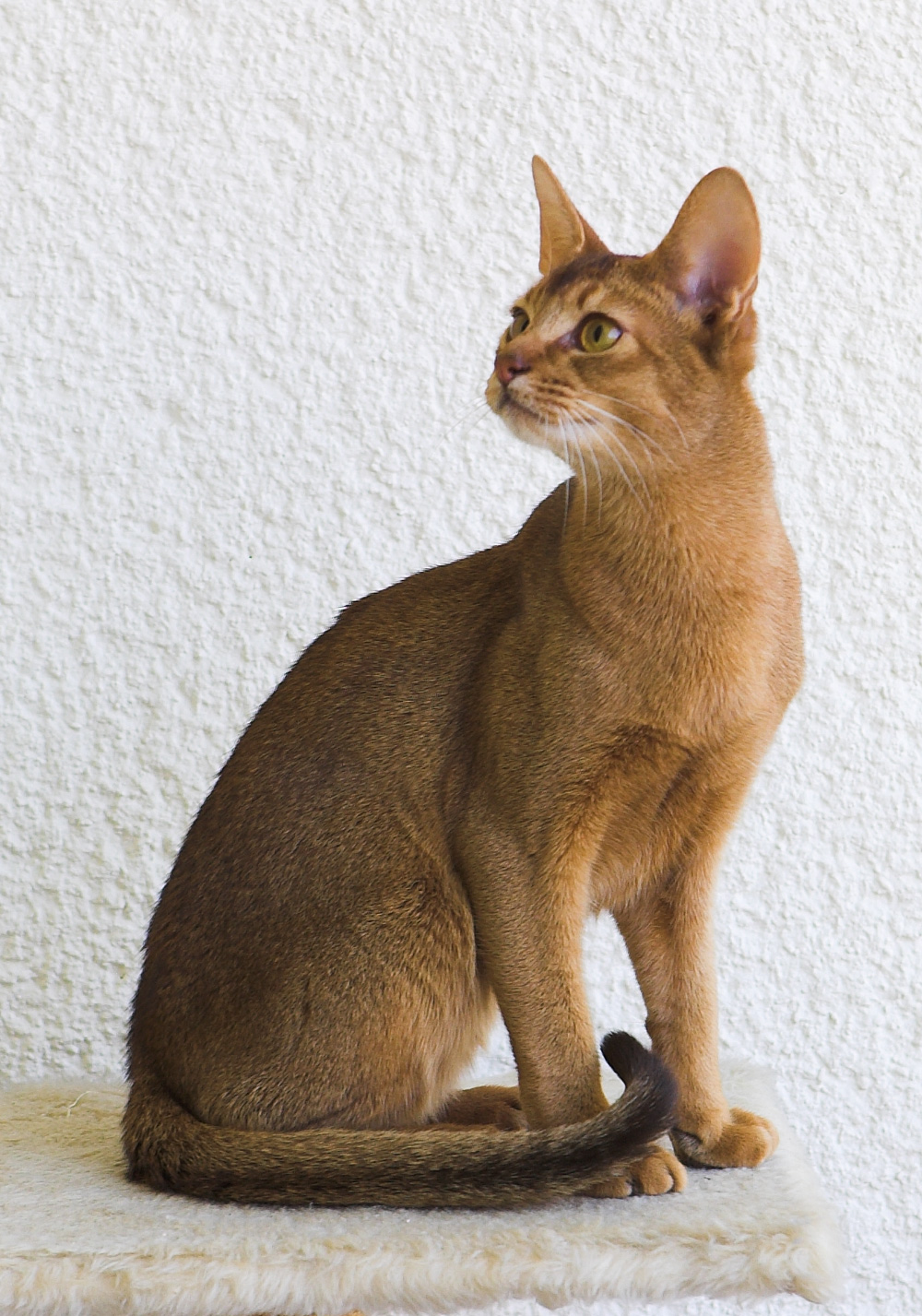
Bengal vs Abyssinian
Bengal
Cat- Size
- Medium-Large
- Weight
- 4-7 kg
- Lifespan
- 12-16 years
- Origin
- United States
- Coat
- Short spotted/marbled
Abyssinian
Cat- Size
- Medium
- Weight
- 3-5 kg
- Lifespan
- 12-15 years
- Origin
- Ethiopia/Egypt
- Coat
- Short ticked coat
Trait Comparison
Bars extend from center. The longer the bar, the higher the score. Winner is highlighted.
Editorial Insights
Written by breed specialists
Bengal and Abyssinian cats are the two most popular high-energy cat breeds. Both have striking tabby-pattern coats, athletic builds, and insatiable curiosity. This comparison helps active cat owners decide between the wild-looking Bengal and the elegant, ticked Abyssinian.
Key Difference Most People Miss
The key difference is intensity. Bengals are more physically demanding — they are larger, stronger, and more likely to get into mischief if under-stimulated. Abyssinians channel their energy more into curiosity and exploration than raw physical activity, making them slightly easier to manage in a typical home.
History Explains the Difference
Abyssinians are one of the oldest cat breeds, likely originating from Southeast Asia despite being named after Ethiopia. Bengals are a modern hybrid created in the 1960s-80s by crossing domestic cats with wild Asian Leopard Cats, which gives them their distinctive spotted coat.
Which Breed Fits Your Lifestyle?
Abyssinians are better for first-time active-cat owners because they are slightly less intense than Bengals and do not carry the wild hybrid complications. Bengals need more physical enrichment including climbing structures, running wheels, and water play. Both breeds hate being bored and can become destructive without stimulation. For multi-cat households, Abyssinians tend to be more harmonious with other felines.
Expert Analysis: Bengal vs Abyssinian
Data-driven comparison based on trait profiles, health data, and breed characteristics.
When comparing the Bengal and Abyssinian, prospective pet owners will find two cat breeds with distinct personalities and care requirements. Both breeds score equally well with children (4/5), making either an excellent choice for family households. Health-wise, Bengals are predisposed to conditions like Hypertrophic Cardiomyopathy and PRA, while Abyssinians may face Renal Amyloidosis and PRA. Prospective owners should budget for regular veterinary check-ups and consider pet insurance for either breed. Ultimately, the best choice between Bengal and Abyssinian depends on your lifestyle, living situation, and personal preferences. Both breeds can make wonderful companions when matched with the right owner.
Bengal Quick Answers
Is Bengal good with kids?
Yes, Bengal scores 4/5 for kid-friendliness, making it an excellent family pet.
Does Bengal shed a lot?
No, Bengal is a low shedder (2/5), great for cleaner homes.
How long does a Bengal live?
Bengals typically live 12-16 years with proper care, diet, and regular vet check-ups.
Is Bengal easy to train?
Bengal has a trainability score of 3/5. Consistent training works well.
Abyssinian Quick Answers
Is Abyssinian good with kids?
Yes, Abyssinian scores 4/5 for kid-friendliness, making it an excellent family pet.
Does Abyssinian shed a lot?
No, Abyssinian is a low shedder (2/5), great for cleaner homes.
How long does a Abyssinian live?
Abyssinians typically live 12-15 years with proper care, diet, and regular vet check-ups.
Is Abyssinian easy to train?
Abyssinian has a trainability score of 3/5. Consistent training works well.
Health Comparison
Common health concerns for each breed. Shared issues are highlighted.
Bengal
- Hypertrophic Cardiomyopathy
- PRA Shared
- Patellar Luxation
- Flat-chested Kitten Syndrome
Abyssinian
- Renal Amyloidosis
- PRA Shared
- Gingivitis