
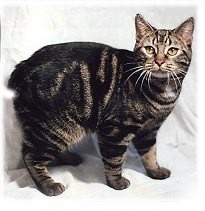
British Shorthair vs Manx
- Size
- Medium-Large
- Weight
- 4-8 kg
- Lifespan
- 12-20 years
- Origin
- United Kingdom
- Coat
- Short dense plush coat
Manx
Cat- Size
- Medium
- Weight
- 3-6 kg
- Lifespan
- 12-14 years
- Origin
- Isle of Man
- Coat
- Short or long double coat
Trait Comparison
Bars extend from center. The longer the bar, the higher the score. Winner is highlighted.
Editorial Insights
Written by breed specialists
When comparing British Shorthair and Manx, the defining factor is their attachment style. Manxs bond deeply with their owners, whereas British Shorthairs are known for their sturdy plush body and round face and prefer more autonomy. Prospective owners must reflect on whether they want a devoted shadow or an autonomous companion.
Key Difference Most People Miss
The most critical overlooked factor is health predisposition: British Shorthairs commonly develop Hypertrophic Cardiomyopathy, while Manxs face challenges with breed-specific considerations. Before adopting, research these conditions thoroughly and consult breed-specific veterinary specialists.
History Explains the Difference
British Shorthairs emerged from Britain's natural shorthaired cats refined into a pedigreed breed, shaping their wide-set eyes and stocky muscular build creating teddy-bear appearance. Manxs developed from distinct heritage, resulting in their individual traits. These divergent origins explain the marked differences in appearance, temperament, and care requirements today.
Which Breed Fits Your Lifestyle?
Both breeds require similar grooming schedules, so coat maintenance demands are comparable. Manxs tend toward higher activity levels and benefit from environmental enrichment and climbing structures. Manxs are ideal for owners with busy schedules or multi-cat households, as they don't demand constant human attention. Manxs are more tolerant of the chaos that comes with families with young children.
Expert Analysis: British Shorthair vs Manx
Data-driven comparison based on trait profiles, health data, and breed characteristics.
When comparing the British Shorthair and Manx, prospective pet owners will find two cat breeds with distinct personalities and care requirements. Manx has a slightly higher energy level (3/5) compared to British Shorthair (2/5), so expect to dedicate a bit more time to exercise and play with the Manx. For families with children, Manx has the edge with a kid-friendliness score of 5/5 compared to British Shorthair's 4/5. Manxs tend to be more patient and gentle around young ones. In terms of longevity, British Shorthairs tend to live longer (12-20 years) compared to Manxs (12-14 years). This is an important consideration for anyone seeking a long-term companion. Health-wise, British Shorthairs are predisposed to conditions like Hypertrophic Cardiomyopathy and Obesity, while Manxs may face Manx Syndrome and Arthritis. Prospective owners should budget for regular veterinary check-ups and consider pet insurance for either breed. Ultimately, the best choice between British Shorthair and Manx depends on your lifestyle, living situation, and personal preferences. Both breeds can make wonderful companions when matched with the right owner.
British Shorthair Quick Answers
Is British Shorthair good with kids?
Yes, British Shorthair scores 4/5 for kid-friendliness, making it an excellent family pet.
Does British Shorthair shed a lot?
British Shorthair has moderate shedding (3/5). Regular brushing helps.
How long does a British Shorthair live?
British Shorthairs typically live 12-20 years with proper care, diet, and regular vet check-ups.
Is British Shorthair easy to train?
British Shorthair has a trainability score of 3/5. Consistent training works well.
Manx Quick Answers
Is Manx good with kids?
Yes, Manx scores 5/5 for kid-friendliness, making it an excellent family pet.
Does Manx shed a lot?
Manx has moderate shedding (3/5). Regular brushing helps.
How long does a Manx live?
Manxs typically live 12-14 years with proper care, diet, and regular vet check-ups.
Is Manx easy to train?
Manx has a trainability score of 3/5. Consistent training works well.
Choose British Shorthair if...
- You prefer a calmer, lower-energy pet
Choose Manx if...
- You want an active, high-energy companion
- You have young children at home
Health Comparison
Common health concerns for each breed.
British Shorthair
- Hypertrophic Cardiomyopathy
- Obesity
- Polycystic Kidney Disease
Manx
- Manx Syndrome
- Arthritis
- Corneal Dystrophy
- Megacolon