
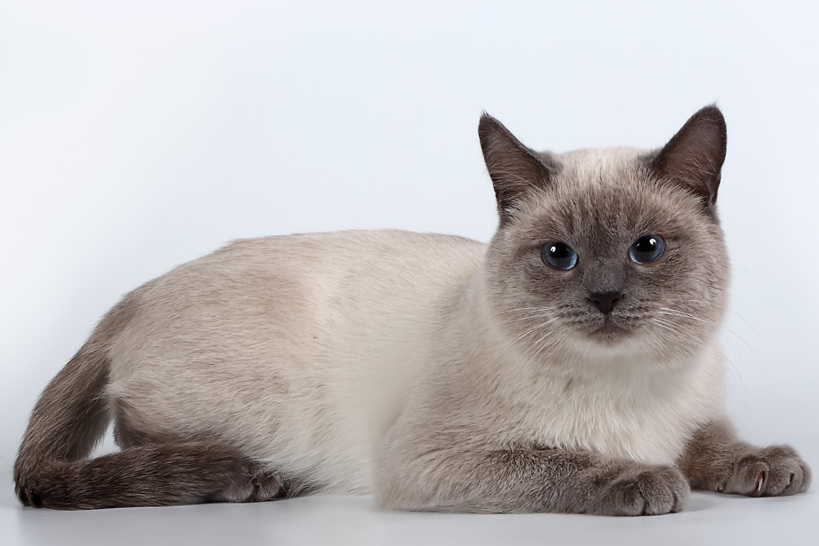
British Shorthair vs Thai
- Size
- Medium-Large
- Weight
- 4-8 kg
- Lifespan
- 12-20 years
- Origin
- United Kingdom
- Coat
- Short dense plush coat
Thai
Cat- Size
- Medium
- Weight
- 3-5 kg
- Lifespan
- 12-16 years
- Origin
- Thailand
- Coat
- Short pointed coat
Trait Comparison
Bars extend from center. The longer the bar, the higher the score. Winner is highlighted.
Editorial Insights
Written by breed specialists
The British Shorthair and Thai are both beloved cat breeds with fascinating histories rooted in United Kingdom and Thailand respectively. Despite their appeal, they differ substantially in personality, grooming demands, and lifestyle compatibility. Choosing between them depends largely on your home environment and expectations for cat behavior.
Key Difference Most People Miss
The most telling difference between the British Shorthair and Thai is personality expression. British Shorthairs tend toward independence and observation, while Thais are equally engaging. This distinction alone will shape your daily cat experience more than any physical trait.
History Explains the Difference
The Thai represents the original, traditional Siamese type—a cat valued for centuries in Thai (formerly Siamese) temples and royal households for its grace and intelligence. The British Shorthair, developed in United Kingdom, represents a distinct breeding direction that either moved away from or enhanced specific Siamese traits. Understanding these heritage lines clarifies why the two breeds express Siamese-linked traits so differently.
Which Breed Fits Your Lifestyle?
The British Shorthair is best suited for owners who value independence. The Thai appeals to those seeking a more vocal, interactive companion. In households with young children, the Thai may be the gentler choice. Both breeds are moderate in energy. Your choice ultimately depends on whether you prefer a calm, independent cat and how much grooming time you can dedicate.
Expert Analysis: British Shorthair vs Thai
Data-driven comparison based on trait profiles, health data, and breed characteristics.
When comparing the British Shorthair and Thai, prospective pet owners will find two cat breeds with distinct personalities and care requirements. Thai is significantly more energetic than British Shorthair, requiring vigorous daily exercise such as long walks, runs, or active play sessions. In contrast, British Shorthair is content with short walks and plenty of relaxation time, making it a better fit for less active households. Both breeds score equally well with children (4/5), making either an excellent choice for family households. In terms of longevity, British Shorthairs tend to live longer (12-20 years) compared to Thais (12-16 years). This is an important consideration for anyone seeking a long-term companion. Health-wise, British Shorthairs are predisposed to conditions like Hypertrophic Cardiomyopathy and Obesity, while Thais may face Amyloidosis and PRA. Prospective owners should budget for regular veterinary check-ups and consider pet insurance for either breed. Ultimately, the best choice between British Shorthair and Thai depends on your lifestyle, living situation, and personal preferences. Both breeds can make wonderful companions when matched with the right owner.
British Shorthair Quick Answers
Is British Shorthair good with kids?
Yes, British Shorthair scores 4/5 for kid-friendliness, making it an excellent family pet.
Does British Shorthair shed a lot?
British Shorthair has moderate shedding (3/5). Regular brushing helps.
How long does a British Shorthair live?
British Shorthairs typically live 12-20 years with proper care, diet, and regular vet check-ups.
Is British Shorthair easy to train?
British Shorthair has a trainability score of 3/5. Consistent training works well.
Thai Quick Answers
Is Thai good with kids?
Yes, Thai scores 4/5 for kid-friendliness, making it an excellent family pet.
Does Thai shed a lot?
No, Thai is a low shedder (2/5), great for cleaner homes.
How long does a Thai live?
Thais typically live 12-16 years with proper care, diet, and regular vet check-ups.
Is Thai easy to train?
Thai has a trainability score of 3/5. Consistent training works well.
Choose British Shorthair if...
- You prefer a calmer, lower-energy pet
- You live in an apartment or smaller space
Choose Thai if...
- You want an active, high-energy companion
- You want lower grooming maintenance
- You prefer less shedding
Health Comparison
Common health concerns for each breed.
British Shorthair
- Hypertrophic Cardiomyopathy
- Obesity
- Polycystic Kidney Disease
Thai
- Amyloidosis
- PRA
- Generally healthy