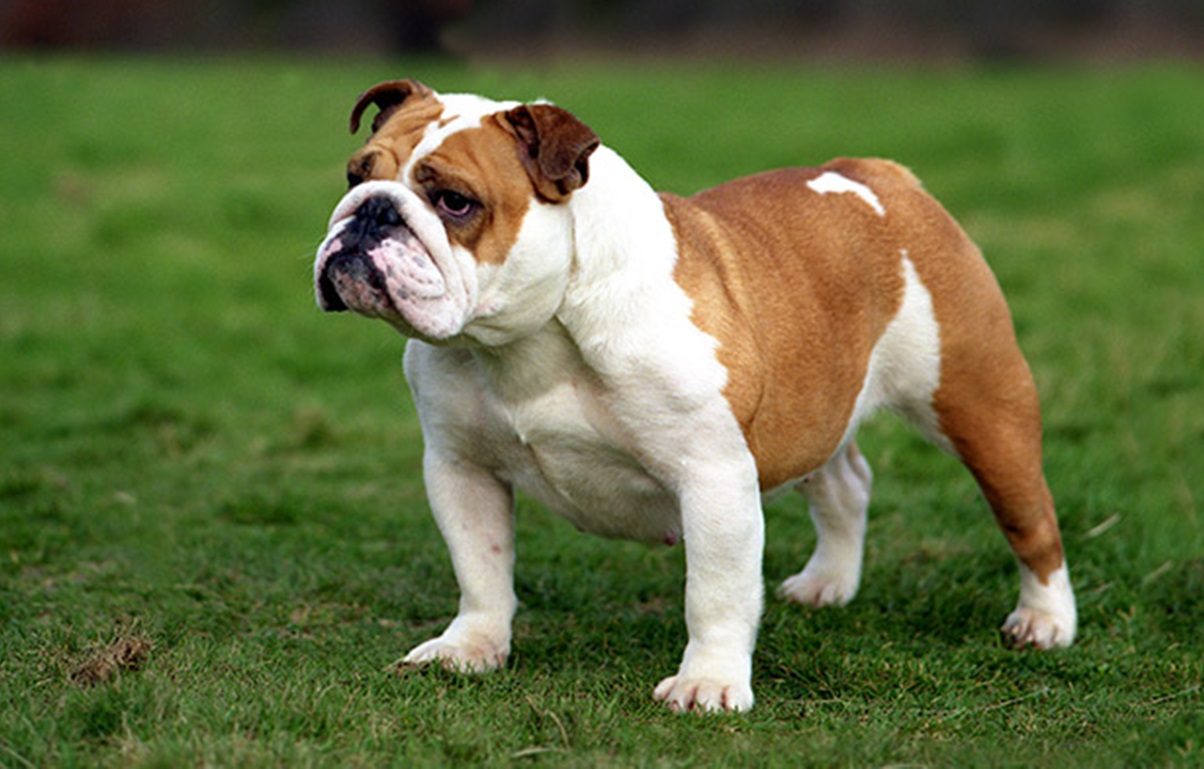

Bulldog vs Bloodhound
Bulldog
Dog- Size
- Medium
- Weight
- 18-25 kg
- Height
- 31-40 cm
- Lifespan
- 8-10 years
- Origin
- England
- Coat
- Short smooth coat
Bloodhound
Dog- Size
- Large
- Weight
- 36-50 kg
- Height
- 58-69 cm
- Lifespan
- 10-12 years
- Origin
- Belgium/France
- Coat
- Short dense coat
Trait Comparison
Bars extend from center. The longer the bar, the higher the score. Winner is highlighted.
Editorial Insights
Written by breed specialists
The Bulldog and Bloodhound comparison pits a manufactured companion against a working specialist. Bloodhounds are purpose-bred tracking machines with noses so powerful they can follow scents days old across miles of terrain. Bulldogs are purpose-bred for combat and now serve primarily as affectionate companions. This comparison highlights the extreme range of what selective breeding can achieve.
Key Difference Most People Miss
The most overlooked difference is that Bloodhounds are driven by their nose to an extent that overrides training and human commands, while Bulldogs are fundamentally passive and indifferent to external stimulation. This means Bloodhounds cannot be reliably off-leash, regardless of training quality.
History Explains the Difference
Bloodhounds were selectively bred in medieval Belgium specifically for their exceptional scent-tracking abilities, used to hunt fleeing criminals and lost persons across any terrain. Their entire physiology reflects this specialization. Bulldogs emerged from English baiting spectacle with no specialized function beyond entertaining audiences through combat.
Which Breed Fits Your Lifestyle?
Bloodhounds need owners who understand their independent tracking instinct, can manage their substantial size, and accept their drooling, strong odor, and ear health demands. Bulldogs appeal to owners wanting a relaxed, affectionate companion with minimal exercise demands. For apartment living, Bulldogs are superior, though neither is ideal. Families with young children should choose Bulldogs, as Bloodhounds can accidentally knock over toddlers during their occasional enthusiastic bouts. First-time owners should avoid both breeds due to their specialized needs.
Expert Analysis: Bulldog vs Bloodhound
Data-driven comparison based on trait profiles, health data, and breed characteristics.
When comparing the Bulldog and Bloodhound, prospective pet owners will find two dog breeds with distinct personalities and care requirements. Bloodhound has a slightly higher energy level (3/5) compared to Bulldog (2/5), so expect to dedicate a bit more time to exercise and play with the Bloodhound. Both breeds score equally well with children (4/5), making either an excellent choice for family households. The Bulldog is slightly easier to train than the Bloodhound, though both breeds respond well to consistent, reward-based training methods. If you live in an apartment, Bulldog is the clear winner with an apartment-friendliness rating of 4/5, while Bloodhound scores only 1/5 and would benefit from more living space due to its larger frame. There is a substantial size difference between these two breeds. The Bloodhound is a large breed (36-50 kg), while the Bulldog is a medium breed (18-25 kg). This impacts food costs, space requirements, and even travel convenience. Health-wise, Bulldogs are predisposed to conditions like Brachycephalic Syndrome and Hip Dysplasia, while Bloodhounds may face Bloat and Hip Dysplasia. Prospective owners should budget for regular veterinary check-ups and consider pet insurance for either breed. Noise levels may influence your decision: Bloodhounds tend to bark considerably more (4/5) than Bulldogs (2/5). If you have close neighbors or prefer a quieter home, the Bulldog may be the wiser choice. Ultimately, the best choice between Bulldog and Bloodhound depends on your lifestyle, living situation, and personal preferences. Both breeds can make wonderful companions when matched with the right owner.
Bulldog Quick Answers
Is Bulldog good with kids?
Yes, Bulldog scores 4/5 for kid-friendliness, making it an excellent family pet.
Does Bulldog shed a lot?
No, Bulldog is a low shedder (2/5), great for cleaner homes.
How long does a Bulldog live?
Bulldogs typically live 8-10 years with proper care, diet, and regular vet check-ups.
Is Bulldog easy to train?
Bulldog has a trainability score of 3/5. Consistent training works well.
Bloodhound Quick Answers
Is Bloodhound good with kids?
Yes, Bloodhound scores 4/5 for kid-friendliness, making it an excellent family pet.
Does Bloodhound shed a lot?
Bloodhound has moderate shedding (3/5). Regular brushing helps.
How long does a Bloodhound live?
Bloodhounds typically live 10-12 years with proper care, diet, and regular vet check-ups.
Is Bloodhound easy to train?
Bloodhound has a trainability score of 2/5. May need an experienced owner.
Choose Bulldog if...
- You prefer a calmer, lower-energy pet
- You live in an apartment or smaller space
- You want an easy-to-train breed
- You prefer less shedding
Health Comparison
Common health concerns for each breed. Shared issues are highlighted.
Bulldog
- Brachycephalic Syndrome
- Hip Dysplasia Shared
- Cherry Eye
- Skin Infections
Bloodhound
- Bloat
- Hip Dysplasia Shared
- Ear Infections
- Eye Conditions