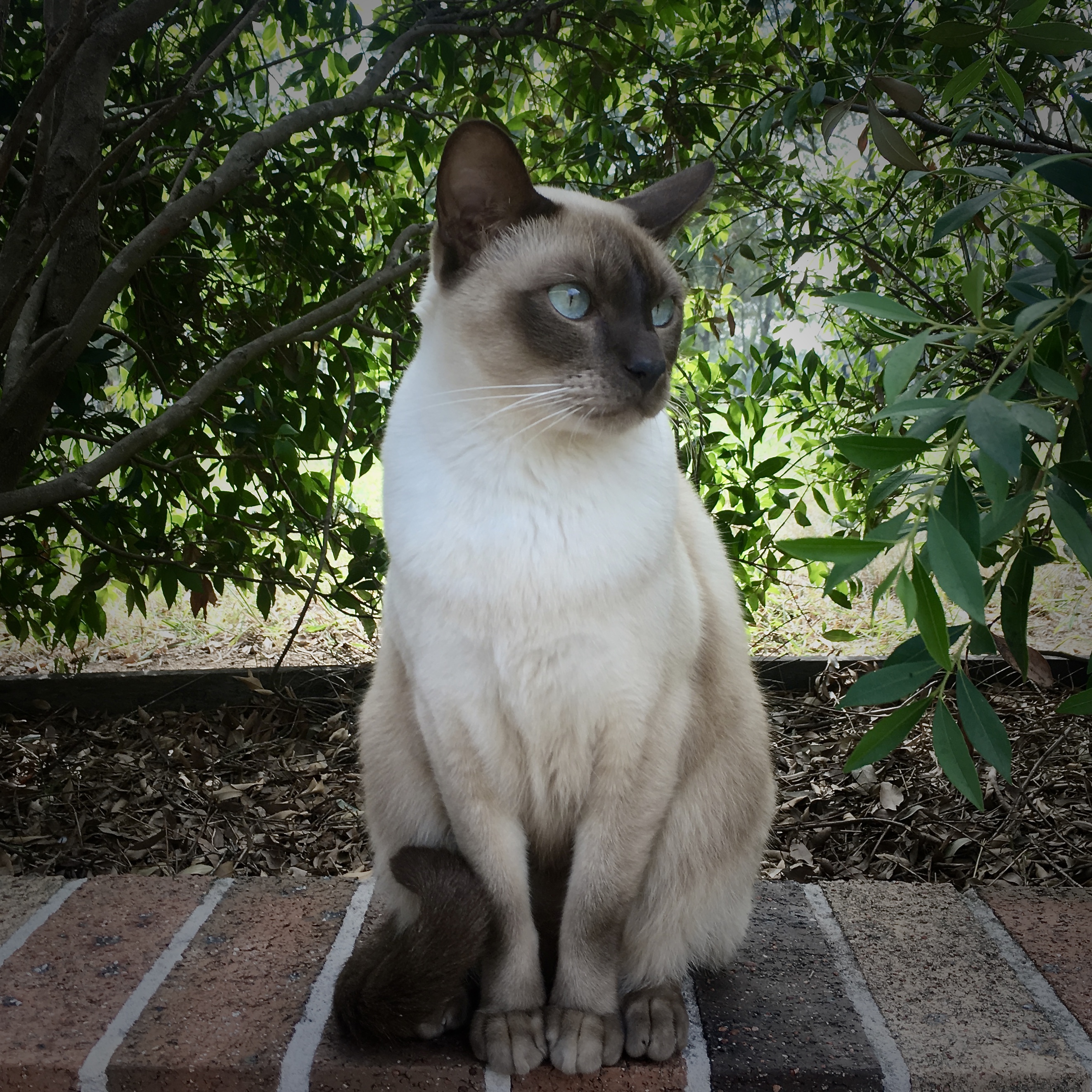
Donskoy vs Tonkinese Longhair
Donskoy
Cat- Size
- Medium
- Weight
- 3-5 kg
- Lifespan
- 12-15 years
- Origin
- Russia
- Coat
- Hairless
- Size
- Medium
- Weight
- 3-5 kg
- Lifespan
- 12-16 years
- Origin
- Canada
- Coat
- Semi-long mink coat
Trait Comparison
Bars extend from center. The longer the bar, the higher the score. Winner is highlighted.
Editorial Insights
Written by breed specialists
If you're seriously considering either a Donskoy or Tonkinese Longhair, you're essentially evaluating two fundamentally different lifestyle commitments despite comparable emotional bonds both breeds deliver. Russia produced the Donskoy through deliberate selective breeding, while Canada similarly developed the Tonkinese Longhair. Each breed embodies its region's unique vision for the ideal companion cat.
Key Difference Most People Miss
The Donskoy's complete hairlessness creates entirely different care protocols, temperature vulnerability, and health considerations compared to the Tonkinese Longhair's traditional furred coat. Climate control becomes absolutely essential, requiring consistent household temperatures and protective measures against UV exposure. This fundamental distinction essentially reshapes all responsible ownership parameters and practical considerations.
History Explains the Difference
The Donskoy represents Russia's deliberate selective breeding effort to create a novel aesthetic expression in felines, reflecting specific regional preferences and environmental conditions. Similarly, the Tonkinese Longhair emerged from Canada's breeding community pursuing distinct genetic combinations and physical characteristics. Both breeds embody their geographic heritage in modern breeding programs.
Which Breed Fits Your Lifestyle?
The Donskoy demands substantial daily grooming commitment and specialized dermatological care, restricting ownership to highly dedicated individuals with flexible schedules and financial resources for veterinary expenses. The Tonkinese Longhair, by contrast, requires remarkably less maintenance and fits seamlessly into moderately busy households. Both breeds exhibit identical affectionate temperaments and thrive exclusively in interactive, engaged homes. Neither breed tolerates extended solitude or inconsistent companionship. The decisive factor becomes your genuine capacity for intensive daily maintenance routines: the Donskoy requires thirty to forty minutes of daily grooming, while the Tonkinese Longhair needs merely five to ten minutes of weekly attention. Choose the Donskoy exclusively if genuinely prepared for this substantial ongoing commitment.
Expert Analysis: Donskoy vs Tonkinese Longhair
Data-driven comparison based on trait profiles, health data, and breed characteristics.
When comparing the Donskoy and Tonkinese Longhair, prospective pet owners will find two cat breeds with distinct personalities and care requirements. Both breeds score equally well with children (4/5), making either an excellent choice for family households. Shedding is a major differentiator here: Tonkinese Longhair sheds heavily (3/5), so you will need lint rollers and regular vacuuming. Donskoy sheds much less (1/5), making it a better option for those who prefer a cleaner home or have mild allergies. Health-wise, Donskoys are predisposed to conditions like Skin Conditions and Dental Issues, while Tonkinese Longhairs may face Amyloidosis and Asthma. Prospective owners should budget for regular veterinary check-ups and consider pet insurance for either breed. Ultimately, the best choice between Donskoy and Tonkinese Longhair depends on your lifestyle, living situation, and personal preferences. Both breeds can make wonderful companions when matched with the right owner.
Donskoy Quick Answers
Is Donskoy good with kids?
Yes, Donskoy scores 4/5 for kid-friendliness, making it an excellent family pet.
Does Donskoy shed a lot?
No, Donskoy is a low shedder (1/5), great for cleaner homes.
How long does a Donskoy live?
Donskoys typically live 12-15 years with proper care, diet, and regular vet check-ups.
Is Donskoy easy to train?
Donskoy has a trainability score of 3/5. Consistent training works well.
Tonkinese Longhair Quick Answers
Is Tonkinese Longhair good with kids?
Yes, Tonkinese Longhair scores 4/5 for kid-friendliness, making it an excellent family pet.
Does Tonkinese Longhair shed a lot?
Tonkinese Longhair has moderate shedding (3/5). Regular brushing helps.
How long does a Tonkinese Longhair live?
Tonkinese Longhairs typically live 12-16 years with proper care, diet, and regular vet check-ups.
Is Tonkinese Longhair easy to train?
Tonkinese Longhair has a trainability score of 3/5. Consistent training works well.
Choose Tonkinese Longhair if...
- You want lower grooming maintenance
Health Comparison
Common health concerns for each breed.
Donskoy
- Skin Conditions
- Dental Issues
- Sunburn
Tonkinese Longhair
- Amyloidosis
- Asthma
- Gingivitis