
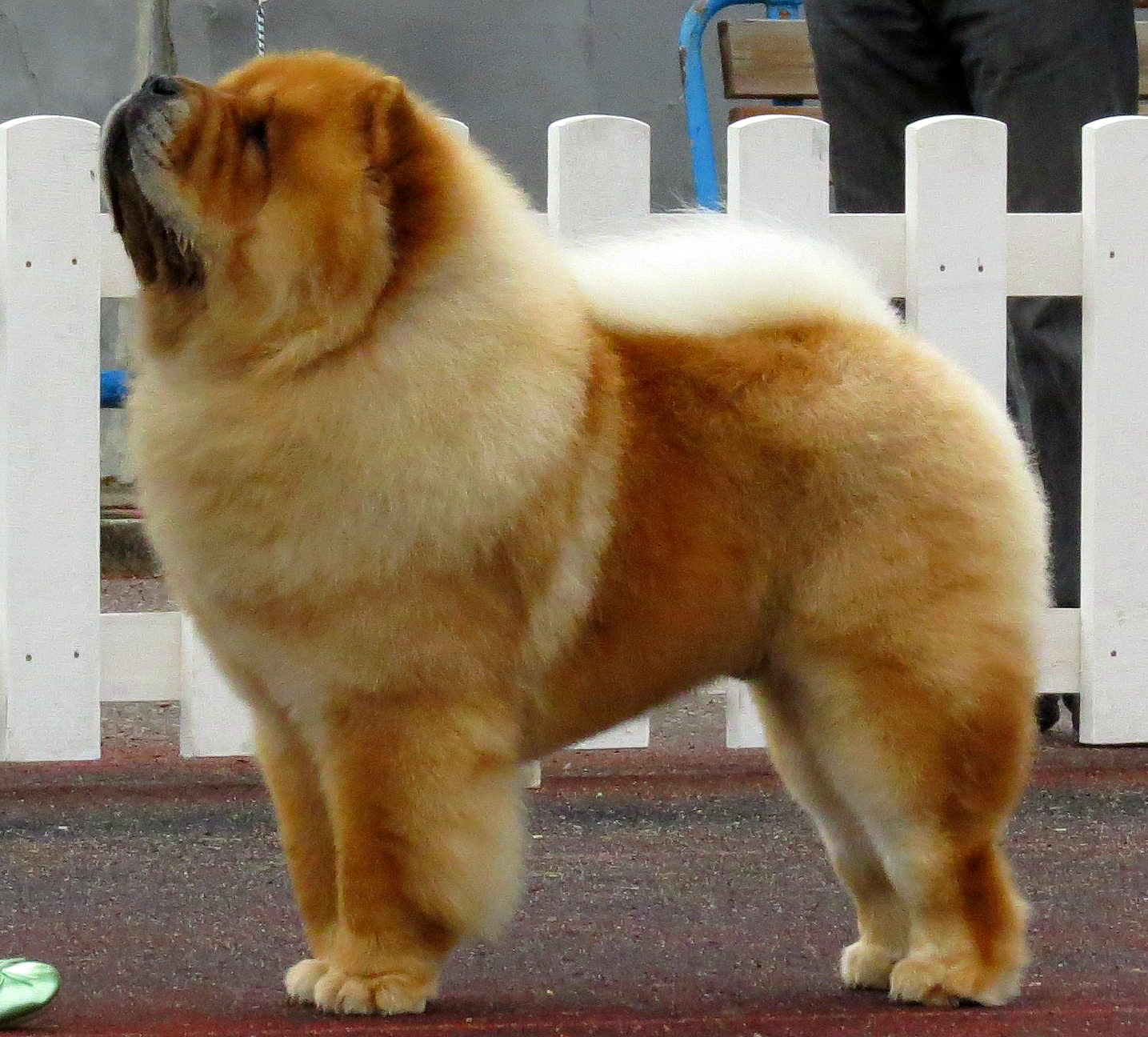
Labrador Retriever vs Chow Chow
- Size
- Large
- Weight
- 25-36 kg
- Height
- 55-62 cm
- Lifespan
- 11-13 years
- Origin
- Canada
- Coat
- Short double coat
Chow Chow
Dog- Size
- Medium-Large
- Weight
- 20-32 kg
- Height
- 43-51 cm
- Lifespan
- 8-12 years
- Origin
- China
- Coat
- Rough or smooth thick coat
Trait Comparison
Bars extend from center. The longer the bar, the higher the score. Winner is highlighted.
Editorial Insights
Written by breed specialists
The Labrador Retriever and Chow Chow comparison addresses a critical decision point for prospective owners who recognize both breeds' appeal but need to understand their substantial differences. Many owners overlook how specialization—whether for hunting, herding, companionship, or working roles—shapes daily behavior, exercise requirements, and household compatibility in ways that popularity rankings and size categories cannot adequately explain. Choosing correctly prevents costly adoption regrets within the first year.
Key Difference Most People Miss
The most underestimated difference is grooming burden. The Chow Chow requires professional salon visits every six to eight weeks or extensive daily home brushing, representing a significant financial and time commitment that costs thousands of dollars across the dog's entire lifetime. The Labrador Retriever needs only occasional grooming maintenance.
History Explains the Difference
The Labrador Retriever was developed in Canada through selective breeding for specific working purposes—hunting, retrieving, herding, or companionship—that directly shaped their modern temperament, drive levels, and behavioral traits fundamentally. The Chow Chow originated in China with heritage that continues influencing their instinctive behaviors and household compatibility patterns today. These divergent origins explain why their instincts sometimes conflict with modern household expectations.
Which Breed Fits Your Lifestyle?
The Chow Chow tolerates apartment living substantially better than the Labrador Retriever, which thrives with direct access to yards, open space, and nearby trails for daily activity and environmental enrichment opportunities. The Labrador Retriever demands vigorous daily exercise and physical activity unsuitable for sedentary owners or those with unpredictable work schedules and limited free time. The Chow Chow can adapt to moderate activity routines without developing serious behavioral problems, destructive habits, or chronic frustration. First-time dog owners will find the {b1} substantially more forgiving of training inconsistencies and handling mistakes, generally producing good outcomes even with imperfect leadership and occasional command confusion. The {b2} demands experienced, confident leadership and established training protocols for best results. Prospective families should honestly assess their activity levels, living situation constraints, and training experience before committing long-term to either breed.
Expert Analysis: Labrador Retriever vs Chow Chow
Data-driven comparison based on trait profiles, health data, and breed characteristics.
When comparing the Labrador Retriever and Chow Chow, prospective pet owners will find two dog breeds with distinct personalities and care requirements. Labrador Retriever is significantly more energetic than Chow Chow, requiring vigorous daily exercise such as long walks, runs, or active play sessions. In contrast, Chow Chow is content with short walks and plenty of relaxation time, making it a better fit for less active households. For families with children, Labrador Retriever has the edge with a kid-friendliness score of 5/5 compared to Chow Chow's 2/5. Labrador Retrievers tend to be more patient and gentle around young ones. Training is notably easier with the Labrador Retriever (5/5) than the Chow Chow (2/5). Labrador Retrievers are eager to please and respond well to positive reinforcement, while Chow Chows can be more independent and may require experienced handling or extra patience. Grooming demands differ significantly -- Chow Chow requires frequent brushing, professional grooming sessions, and regular coat maintenance, whereas Labrador Retriever is relatively low-maintenance in the grooming department (2/5). Health-wise, Labrador Retrievers are predisposed to conditions like Hip Dysplasia and Obesity, while Chow Chows may face Hip Dysplasia and Eye Conditions. Prospective owners should budget for regular veterinary check-ups and consider pet insurance for either breed. Ultimately, the best choice between Labrador Retriever and Chow Chow depends on your lifestyle, living situation, and personal preferences. Both breeds can make wonderful companions when matched with the right owner.
Labrador Retriever Quick Answers
Is Labrador Retriever good with kids?
Yes, Labrador Retriever scores 5/5 for kid-friendliness, making it an excellent family pet.
Does Labrador Retriever shed a lot?
Yes, Labrador Retriever is a heavy shedder (4/5). Expect regular brushing and vacuuming.
How long does a Labrador Retriever live?
Labrador Retrievers typically live 11-13 years with proper care, diet, and regular vet check-ups.
Is Labrador Retriever easy to train?
Yes, Labrador Retriever is highly trainable (5/5) and responds well to positive reinforcement.
Chow Chow Quick Answers
Is Chow Chow good with kids?
Chow Chow scores 2/5 with children. Better suited for adult households.
Does Chow Chow shed a lot?
Yes, Chow Chow is a heavy shedder (4/5). Expect regular brushing and vacuuming.
How long does a Chow Chow live?
Chow Chows typically live 8-12 years with proper care, diet, and regular vet check-ups.
Is Chow Chow easy to train?
Chow Chow has a trainability score of 2/5. May need an experienced owner.
Choose Labrador Retriever if...
- You want an active, high-energy companion
- You have young children at home
- You want an easy-to-train breed
- You want lower grooming maintenance
Choose Chow Chow if...
- You prefer a calmer, lower-energy pet
- You live in an apartment or smaller space
Health Comparison
Common health concerns for each breed. Shared issues are highlighted.
Labrador Retriever
- Hip Dysplasia Shared
- Obesity
- Elbow Dysplasia
- Eye Conditions Shared
Chow Chow
- Hip Dysplasia Shared
- Eye Conditions Shared
- Bloat
- Autoimmune Disorders