
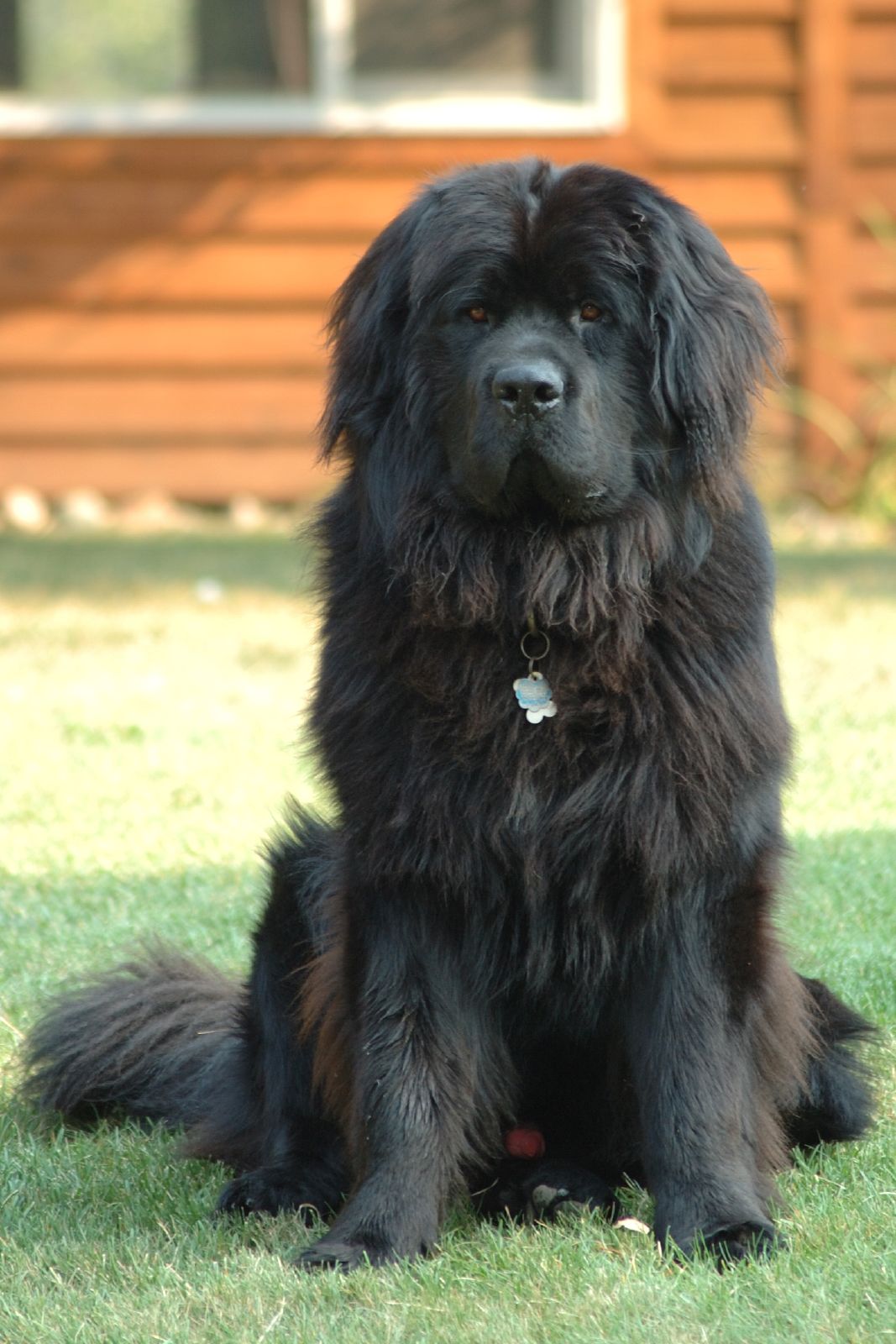
Labrador Retriever vs Newfoundland
- Size
- Large
- Weight
- 25-36 kg
- Height
- 55-62 cm
- Lifespan
- 11-13 years
- Origin
- Canada
- Coat
- Short double coat
Newfoundland
Dog- Size
- Giant
- Weight
- 45-68 kg
- Height
- 66-71 cm
- Lifespan
- 9-10 years
- Origin
- Canada
- Coat
- Heavy double coat
Trait Comparison
Bars extend from center. The longer the bar, the higher the score. Winner is highlighted.
Editorial Insights
Written by breed specialists
Labrador Retriever versus Newfoundland is a Canadian dog showdown between two breeds that share the same geographic origin but diverged dramatically in size and purpose. Both are water-loving, family-friendly breeds with deep maritime roots.
Key Difference Most People Miss
The most important practical difference is the drool and mess factor. Newfoundlands are prolific droolers that leave slobber trails on walls, furniture, and clothing. Labs are clean-mouthed dogs that barely drool. Combined with the Newfoundland's shedding, this creates a dramatically different cleanliness situation.
History Explains the Difference
Both breeds originated in Newfoundland, Canada. Labs were developed by fishermen for hauling nets and retrieving fish, staying medium-large for boat work. Newfoundlands were bred for water rescue and heavy hauling, growing much larger to pull drowning sailors and heavy carts.
Which Breed Fits Your Lifestyle?
Labrador Retrievers are better for most families due to their more manageable size, higher energy for activities, and longer lifespan. Newfoundlands suit families who want a massive, calm, protective gentle giant and can handle the drool, food costs, and space requirements. Both are outstanding with children — Newfoundlands are often called nanny dogs. For water activities, both excel, but the Newfoundland's swimming strength is unmatched.
Expert Analysis: Labrador Retriever vs Newfoundland
Data-driven comparison based on trait profiles, health data, and breed characteristics.
When comparing the Labrador Retriever and Newfoundland, prospective pet owners will find two dog breeds with distinct personalities and care requirements. Labrador Retriever is significantly more energetic than Newfoundland, requiring vigorous daily exercise such as long walks, runs, or active play sessions. In contrast, Newfoundland is content with a moderate exercise routine, making it a better fit for less active households. Both breeds score equally well with children (5/5), making either an excellent choice for family households. The Labrador Retriever is slightly easier to train than the Newfoundland, though both breeds respond well to consistent, reward-based training methods. Grooming demands differ significantly -- Newfoundland requires frequent brushing, professional grooming sessions, and regular coat maintenance, whereas Labrador Retriever is relatively low-maintenance in the grooming department (2/5). There is a substantial size difference between these two breeds. The Newfoundland is a giant breed (45-68 kg), while the Labrador Retriever is a large breed (25-36 kg). This impacts food costs, space requirements, and even travel convenience. In terms of longevity, Labrador Retrievers tend to live longer (11-13 years) compared to Newfoundlands (9-10 years). This is an important consideration for anyone seeking a long-term companion. Health-wise, Labrador Retrievers are predisposed to conditions like Hip Dysplasia and Obesity, while Newfoundlands may face Hip Dysplasia and Bloat. Prospective owners should budget for regular veterinary check-ups and consider pet insurance for either breed. Ultimately, the best choice between Labrador Retriever and Newfoundland depends on your lifestyle, living situation, and personal preferences. Both breeds can make wonderful companions when matched with the right owner.
Labrador Retriever Quick Answers
Is Labrador Retriever good with kids?
Yes, Labrador Retriever scores 5/5 for kid-friendliness, making it an excellent family pet.
Does Labrador Retriever shed a lot?
Yes, Labrador Retriever is a heavy shedder (4/5). Expect regular brushing and vacuuming.
How long does a Labrador Retriever live?
Labrador Retrievers typically live 11-13 years with proper care, diet, and regular vet check-ups.
Is Labrador Retriever easy to train?
Yes, Labrador Retriever is highly trainable (5/5) and responds well to positive reinforcement.
Newfoundland Quick Answers
Is Newfoundland good with kids?
Yes, Newfoundland scores 5/5 for kid-friendliness, making it an excellent family pet.
Does Newfoundland shed a lot?
Yes, Newfoundland is a heavy shedder (4/5). Expect regular brushing and vacuuming.
How long does a Newfoundland live?
Newfoundlands typically live 9-10 years with proper care, diet, and regular vet check-ups.
Is Newfoundland easy to train?
Yes, Newfoundland is highly trainable (4/5) and responds well to positive reinforcement.
Choose Labrador Retriever if...
- You want an active, high-energy companion
- You live in an apartment or smaller space
- You want an easy-to-train breed
- You want lower grooming maintenance
Health Comparison
Common health concerns for each breed. Shared issues are highlighted.
Labrador Retriever
- Hip Dysplasia Shared
- Obesity
- Elbow Dysplasia
- Eye Conditions
Newfoundland
- Hip Dysplasia Shared
- Bloat
- Heart Disease
- Cystinuria