
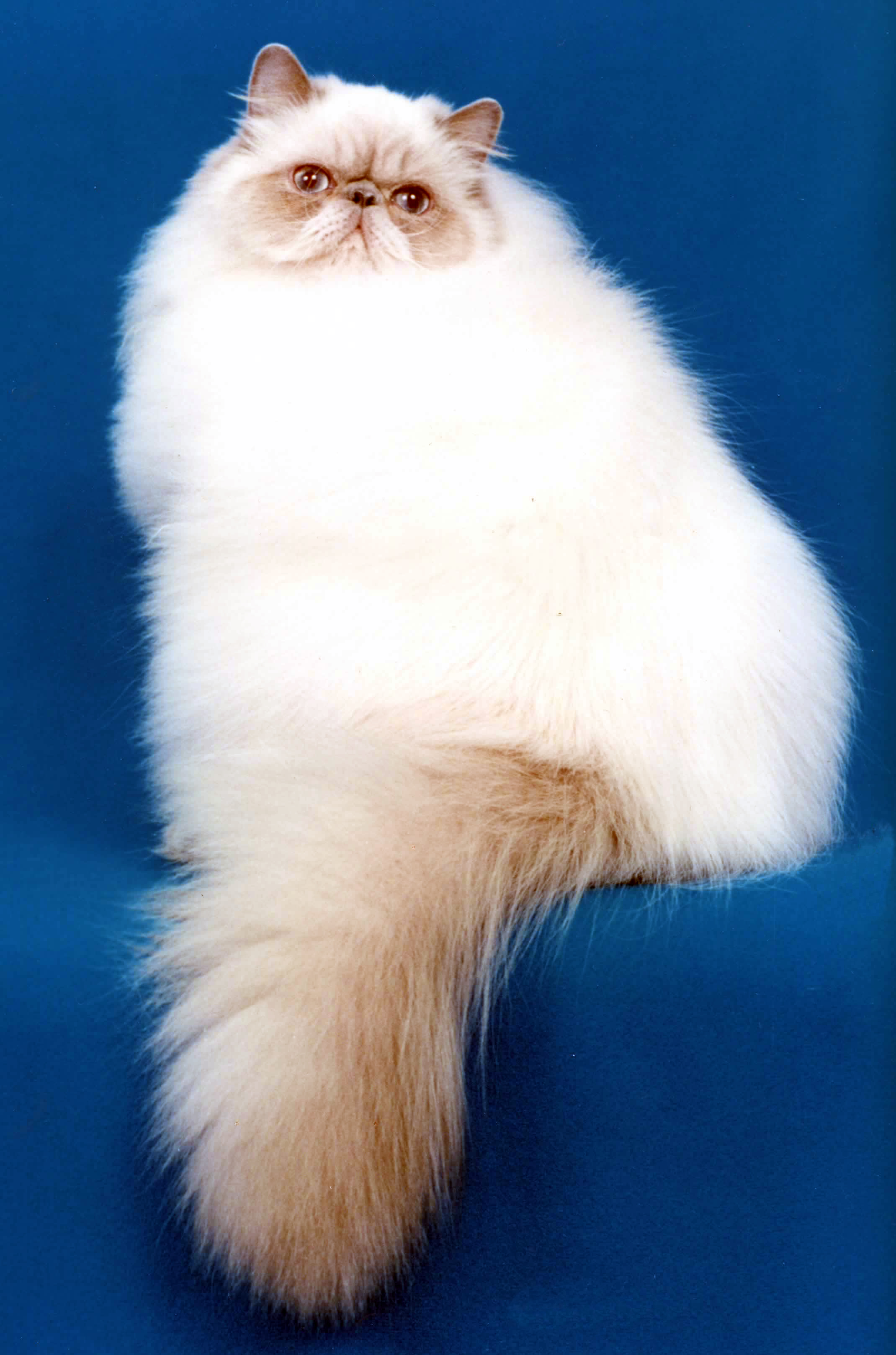
Persian vs Himalayan
Persian
Cat- Size
- Medium-Large
- Weight
- 3-5 kg
- Lifespan
- 12-17 years
- Origin
- Iran/Persia
- Coat
- Long flowing coat
Himalayan
Cat- Size
- Medium-Large
- Weight
- 4-6 kg
- Lifespan
- 9-15 years
- Origin
- United States/United Kingdom
- Coat
- Long flowing coat
Trait Comparison
Bars extend from center. The longer the bar, the higher the score. Winner is highlighted.
Editorial Insights
Written by breed specialists
The Persian versus Himalayan comparison is a nuance within the Persian family, since Himalayans are essentially Persians with Siamese-style pointed coloring. Many registries classify them as a Persian variant rather than a separate breed. The differences are subtle but real.
Key Difference Most People Miss
The most noticeable difference beyond color is temperament. Himalayans carry a hint of Siamese energy and sociability, making them slightly more active and vocal than standard Persians. This is a subtle difference but meaningful for owners who find pure Persians too sedentary.
History Explains the Difference
Himalayans were created in the 1930s-50s by crossing Persians with Siamese cats to achieve the pointed pattern on a Persian body. The breed is so closely related to Persians that CFA classifies them as a Persian color division rather than a separate breed.
Which Breed Fits Your Lifestyle?
Both breeds need the same intensive daily grooming and share the same flat-faced health concerns. Himalayans tend to be slightly more playful and social than pure Persians, thanks to Siamese genes in their background. If you want the quietest, calmest possible cat, choose a Persian. If you want a Persian that is marginally more interactive and comes in pointed colors, the Himalayan is your cat.
Expert Analysis: Persian vs Himalayan
Data-driven comparison based on trait profiles, health data, and breed characteristics.
When comparing the Persian and Himalayan, prospective pet owners will find two cat breeds with distinct personalities and care requirements. For families with children, Himalayan has the edge with a kid-friendliness score of 4/5 compared to Persian's 3/5. Himalayans tend to be more patient and gentle around young ones. Health-wise, Persians are predisposed to conditions like Polycystic Kidney Disease and Eye Conditions, while Himalayans may face Polycystic Kidney Disease and Breathing Issues. Prospective owners should budget for regular veterinary check-ups and consider pet insurance for either breed. Ultimately, the best choice between Persian and Himalayan depends on your lifestyle, living situation, and personal preferences. Both breeds can make wonderful companions when matched with the right owner.
Persian Quick Answers
Is Persian good with kids?
Persian scores 3/5 with children. Supervision with young kids is recommended.
Does Persian shed a lot?
Yes, Persian is a heavy shedder (5/5). Expect regular brushing and vacuuming.
How long does a Persian live?
Persians typically live 12-17 years with proper care, diet, and regular vet check-ups.
Is Persian easy to train?
Persian has a trainability score of 3/5. Consistent training works well.
Himalayan Quick Answers
Is Himalayan good with kids?
Yes, Himalayan scores 4/5 for kid-friendliness, making it an excellent family pet.
Does Himalayan shed a lot?
Yes, Himalayan is a heavy shedder (5/5). Expect regular brushing and vacuuming.
How long does a Himalayan live?
Himalayans typically live 9-15 years with proper care, diet, and regular vet check-ups.
Is Himalayan easy to train?
Himalayan has a trainability score of 3/5. Consistent training works well.
Health Comparison
Common health concerns for each breed. Shared issues are highlighted.
Persian
- Polycystic Kidney Disease Shared
- Eye Conditions Shared
- Breathing Issues Shared
- Dental Disease Shared
Himalayan
- Polycystic Kidney Disease Shared
- Breathing Issues Shared
- Eye Conditions Shared
- Dental Disease Shared