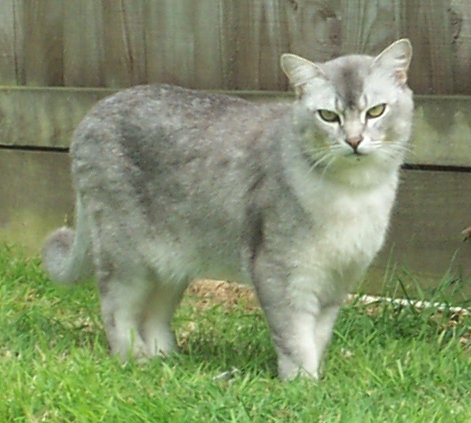
Pixie-Bob vs Burmilla
Pixie-Bob
Cat- Size
- Medium-Large
- Weight
- 4-8 kg
- Lifespan
- 13-15 years
- Origin
- United States
- Coat
- Short or long coat
Burmilla
Cat- Size
- Medium
- Weight
- 3-6 kg
- Lifespan
- 10-15 years
- Origin
- United Kingdom
- Coat
- Short or semi-long coat
Trait Comparison
Bars extend from center. The longer the bar, the higher the score. Winner is highlighted.
Editorial Insights
Written by breed specialists
Burmillas are delicate, silvery, medium-sized cats with refined features, while Pixie-Bobs are robust, spotted, dog-like athletes. Both are social, but one is elegant and refined.
Key Difference Most People Miss
Burmillas are refined, delicate lap cats; Pixie-Bobs are robust adventure cats. Choose based on your household energy level.
History Explains the Difference
Burmillas were engineered in Britain by crossing Burmese and Chinchilla cats, creating refined, silver-tipped beauties. Pixie-Bobs were designed for robust athleticism.
Which Breed Fits Your Lifestyle?
Burmillas are affectionate, quiet, and suit calm households. They're good for quiet families and retirees. Pixie-Bobs are equally affectionate but more active and dog-like. For active families, Pixie-Bobs are more engaging. For refined, quiet households, Burmillas are elegant.
Expert Analysis: Pixie-Bob vs Burmilla
Data-driven comparison based on trait profiles, health data, and breed characteristics.
When comparing the Pixie-Bob and Burmilla, prospective pet owners will find two cat breeds with distinct personalities and care requirements. Pixie-Bob has a slightly higher energy level (4/5) compared to Burmilla (3/5), so expect to dedicate a bit more time to exercise and play with the Pixie-Bob. Both breeds score equally well with children (4/5), making either an excellent choice for family households. Health-wise, Pixie-Bobs are predisposed to conditions like Hypertrophic Cardiomyopathy and Cryptorchidism, while Burmillas may face Allergies and PKD. Prospective owners should budget for regular veterinary check-ups and consider pet insurance for either breed. Ultimately, the best choice between Pixie-Bob and Burmilla depends on your lifestyle, living situation, and personal preferences. Both breeds can make wonderful companions when matched with the right owner.
Pixie-Bob Quick Answers
Is Pixie-Bob good with kids?
Yes, Pixie-Bob scores 4/5 for kid-friendliness, making it an excellent family pet.
Does Pixie-Bob shed a lot?
Pixie-Bob has moderate shedding (3/5). Regular brushing helps.
How long does a Pixie-Bob live?
Pixie-Bobs typically live 13-15 years with proper care, diet, and regular vet check-ups.
Is Pixie-Bob easy to train?
Pixie-Bob has a trainability score of 3/5. Consistent training works well.
Burmilla Quick Answers
Is Burmilla good with kids?
Yes, Burmilla scores 4/5 for kid-friendliness, making it an excellent family pet.
Does Burmilla shed a lot?
No, Burmilla is a low shedder (2/5), great for cleaner homes.
How long does a Burmilla live?
Burmillas typically live 10-15 years with proper care, diet, and regular vet check-ups.
Is Burmilla easy to train?
Burmilla has a trainability score of 3/5. Consistent training works well.
Choose Burmilla if...
- You prefer a calmer, lower-energy pet
- You prefer less shedding
Health Comparison
Common health concerns for each breed.
Pixie-Bob
- Hypertrophic Cardiomyopathy
- Cryptorchidism
Burmilla
- Allergies
- PKD