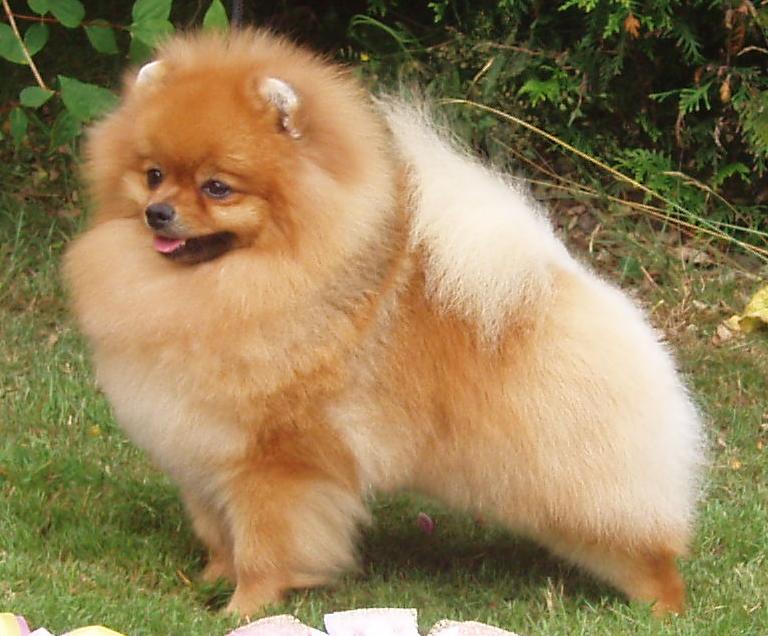

Pomeranian vs Samoyed
Pomeranian
Dog- Size
- Toy
- Weight
- 1-3 kg
- Height
- 18-24 cm
- Lifespan
- 12-16 years
- Origin
- Germany/Poland
- Coat
- Thick double coat
Samoyed
Dog- Size
- Medium-Large
- Weight
- 16-30 kg
- Height
- 48-60 cm
- Lifespan
- 12-14 years
- Origin
- Siberia, Russia
- Coat
- Thick white double coat
Trait Comparison
Bars extend from center. The longer the bar, the higher the score. Winner is highlighted.
Editorial Insights
Written by breed specialists
The Pomeranian and Samoyed are both spitz-type dogs with fluffy coats and independent personalities, but they differ dramatically in size (3-7 pounds versus 45-60 pounds) and behavioral complexity. One is a toy companion, the other is a large working dog requiring serious activity and management. Their only real similarity is their coat type and some independent stubbornness.
Key Difference Most People Miss
Samoyeds are independent Arctic herding dogs that need substantial property and regular work/activity; Pomeranians are apartment-perfect companion dogs content with casual interaction. The size and behavioral differences make them unsuitable for comparison in practical terms.
History Explains the Difference
Pomeranians were miniaturized from larger spitz dogs in Pomerania, becoming lap dogs for European nobility. Samoyeds were developed by nomadic Samoyede people in Siberia as working dogs for herding reindeer and protecting camp, requiring independence and autonomous decision-making.
Which Breed Fits Your Lifestyle?
Pomeranians are apartment-perfect and content with minimal exercise—they're ideal for sedentary owners or apartment dwellers. Samoyeds need substantial space and regular running or work activity—they're not apartment dogs despite their friendly reputation. Both are spitz-type independent, but Pomeranians are lower-energy lap dogs while Samoyeds are high-energy workers prone to destructive behaviors without outlets. Samoyeds require professional grooming; Pomeranians need regular coat maintenance. For apartments, Pomeranians are vastly superior; for active families with yards, Samoyeds can work well.
Expert Analysis: Pomeranian vs Samoyed
Data-driven comparison based on trait profiles, health data, and breed characteristics.
When comparing the Pomeranian and Samoyed, prospective pet owners will find two dog breeds with distinct personalities and care requirements. For families with children, Samoyed has the edge with a kid-friendliness score of 5/5 compared to Pomeranian's 3/5. Samoyeds tend to be more patient and gentle around young ones. If you live in an apartment, Pomeranian is the clear winner with an apartment-friendliness rating of 5/5, while Samoyed scores only 2/5 and would benefit from more living space. There is a substantial size difference between these two breeds. The Samoyed is a medium-large breed (16-30 kg), while the Pomeranian is a toy breed (1-3 kg). This impacts food costs, space requirements, and even travel convenience. Health-wise, Pomeranians are predisposed to conditions like Luxating Patella and Collapsed Trachea, while Samoyeds may face Hip Dysplasia and Heart Disease. Prospective owners should budget for regular veterinary check-ups and consider pet insurance for either breed. Ultimately, the best choice between Pomeranian and Samoyed depends on your lifestyle, living situation, and personal preferences. Both breeds can make wonderful companions when matched with the right owner.
Pomeranian Quick Answers
Is Pomeranian good with kids?
Pomeranian scores 3/5 with children. Supervision with young kids is recommended.
Does Pomeranian shed a lot?
Yes, Pomeranian is a heavy shedder (4/5). Expect regular brushing and vacuuming.
How long does a Pomeranian live?
Pomeranians typically live 12-16 years with proper care, diet, and regular vet check-ups.
Is Pomeranian easy to train?
Pomeranian has a trainability score of 3/5. Consistent training works well.
Samoyed Quick Answers
Is Samoyed good with kids?
Yes, Samoyed scores 5/5 for kid-friendliness, making it an excellent family pet.
Does Samoyed shed a lot?
Yes, Samoyed is a heavy shedder (5/5). Expect regular brushing and vacuuming.
How long does a Samoyed live?
Samoyeds typically live 12-14 years with proper care, diet, and regular vet check-ups.
Is Samoyed easy to train?
Samoyed has a trainability score of 3/5. Consistent training works well.
Choose Pomeranian if...
- You live in an apartment or smaller space
- You prefer less shedding
Health Comparison
Common health concerns for each breed.
Pomeranian
- Luxating Patella
- Collapsed Trachea
- Dental Disease
- Alopecia X
Samoyed
- Hip Dysplasia
- Heart Disease
- Hypothyroidism
- Diabetes