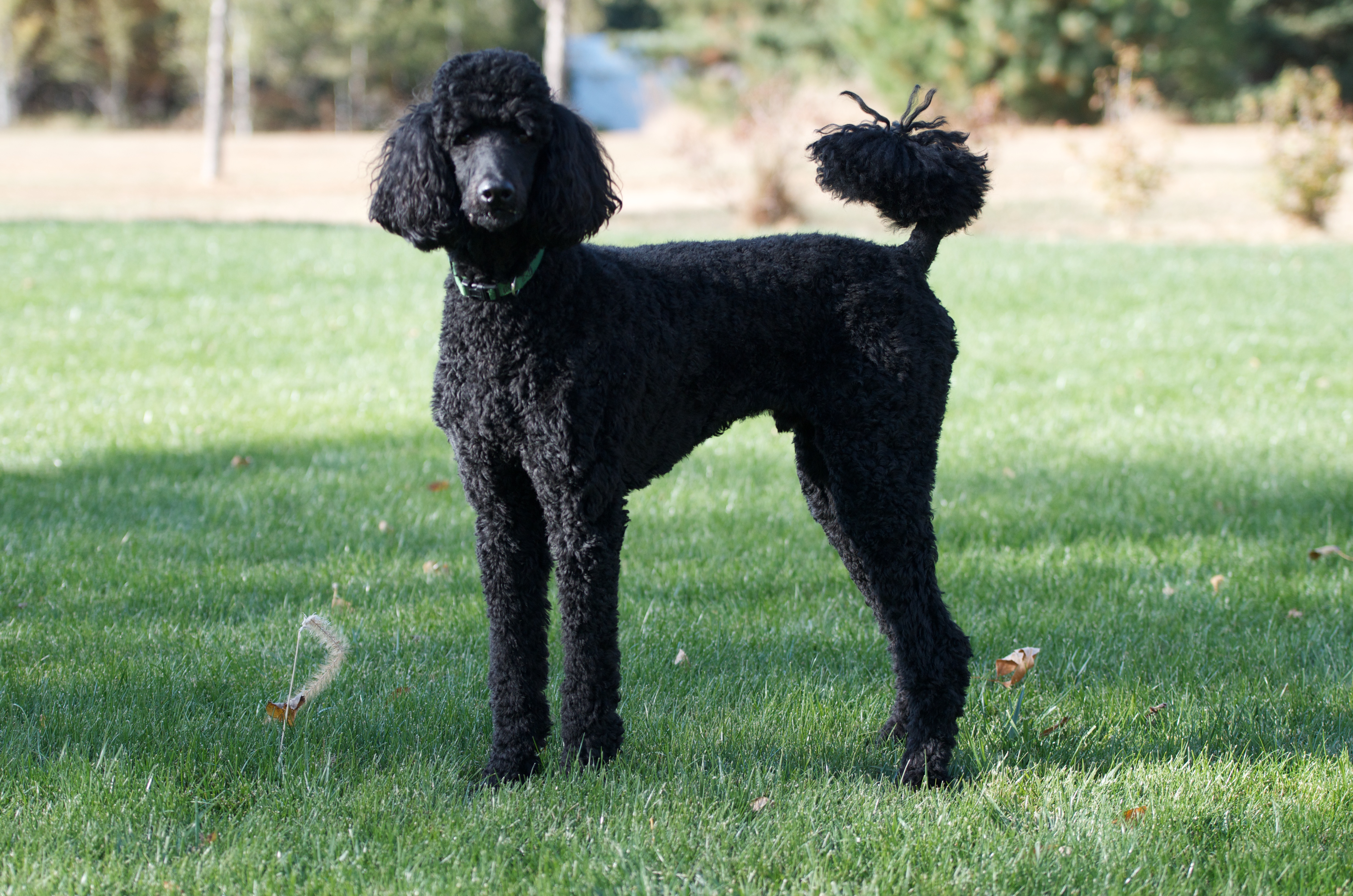

Poodle vs Samoyed
Poodle
Dog- Size
- Varies
- Weight
- 3-32 kg
- Height
- 24-60 cm
- Lifespan
- 10-18 years
- Origin
- Germany/France
- Coat
- Curly, hypoallergenic
Samoyed
Dog- Size
- Medium-Large
- Weight
- 16-30 kg
- Height
- 48-60 cm
- Lifespan
- 12-14 years
- Origin
- Siberia, Russia
- Coat
- Thick white double coat
Trait Comparison
Bars extend from center. The longer the bar, the higher the score. Winner is highlighted.
Editorial Insights
Written by breed specialists
The Poodle versus Samoyed comparison represents one of the most fundamental choices prospective dog owners face. These breeds genuinely suit different people, living situations, and lifestyles. Rather than splitting the difference, you need to understand that choosing between them means committing to entirely different daily realities and long-term responsibilities. Understanding these differences matters for successful long-term ownership.
Key Difference Most People Miss
Temperament and trainability diverge significantly. Poodle naturally defers to owners and thrives on pleasing, making training rewarding and effective. Samoyed is more independent-minded and will test boundaries. This fundamental difference shapes your entire ownership experience.
History Explains the Difference
Poodle originated in Germany/France, where it was developed to serve as a non-sporting dog, shaping its temperament and drives. Samoyed comes from Siberia, Russia where entirely different breeding goals prevailed. These geographically and historically distinct origins directly explain why they behave so differently today.
Which Breed Fits Your Lifestyle?
Poodle are remarkably adaptable to apartment living and dense urban environments where space is limited. By contrast, Samoyed genuinely needs substantial yard space and access to outdoor areas. For apartment dwellers, Poodle is the clear choice. Samoyed requires serious daily exercise commitment to stay healthy and well-behaved. Poodle is more adaptable and flexible about activity levels. For first-time owners, Poodle is significantly easier because the breed wants to please and responds eagerly to training. Samoyed is more independent-minded and requires experienced, confident handlers.
Expert Analysis: Poodle vs Samoyed
Data-driven comparison based on trait profiles, health data, and breed characteristics.
When comparing the Poodle and Samoyed, prospective pet owners will find two dog breeds with distinct personalities and care requirements. For families with children, Samoyed has the edge with a kid-friendliness score of 5/5 compared to Poodle's 4/5. Samoyeds tend to be more patient and gentle around young ones. Training is notably easier with the Poodle (5/5) than the Samoyed (3/5). Poodles are eager to please and respond well to positive reinforcement, while Samoyeds can be more independent and may require experienced handling or extra patience. If you live in an apartment, Poodle is the clear winner with an apartment-friendliness rating of 4/5, while Samoyed scores only 2/5 and would benefit from more living space. Shedding is a major differentiator here: Samoyed sheds heavily (5/5), so you will need lint rollers and regular vacuuming. Poodle sheds much less (1/5), making it a better option for those who prefer a cleaner home or have mild allergies. In terms of longevity, Poodles tend to live longer (10-18 years) compared to Samoyeds (12-14 years). This is an important consideration for anyone seeking a long-term companion. Health-wise, Poodles are predisposed to conditions like Hip Dysplasia and Eye Disorders, while Samoyeds may face Hip Dysplasia and Heart Disease. Prospective owners should budget for regular veterinary check-ups and consider pet insurance for either breed. Ultimately, the best choice between Poodle and Samoyed depends on your lifestyle, living situation, and personal preferences. Both breeds can make wonderful companions when matched with the right owner.
Poodle Quick Answers
Is Poodle good with kids?
Yes, Poodle scores 4/5 for kid-friendliness, making it an excellent family pet.
Does Poodle shed a lot?
No, Poodle is a low shedder (1/5), great for cleaner homes.
How long does a Poodle live?
Poodles typically live 10-18 years with proper care, diet, and regular vet check-ups.
Is Poodle easy to train?
Yes, Poodle is highly trainable (5/5) and responds well to positive reinforcement.
Samoyed Quick Answers
Is Samoyed good with kids?
Yes, Samoyed scores 5/5 for kid-friendliness, making it an excellent family pet.
Does Samoyed shed a lot?
Yes, Samoyed is a heavy shedder (5/5). Expect regular brushing and vacuuming.
How long does a Samoyed live?
Samoyeds typically live 12-14 years with proper care, diet, and regular vet check-ups.
Is Samoyed easy to train?
Samoyed has a trainability score of 3/5. Consistent training works well.
Choose Poodle if...
- You live in an apartment or smaller space
- You want an easy-to-train breed
- You prefer less shedding
Choose Samoyed if...
- You have young children at home
- You want lower grooming maintenance
Health Comparison
Common health concerns for each breed. Shared issues are highlighted.
Poodle
- Hip Dysplasia Shared
- Eye Disorders
- Addison's Disease
- Bloat
Samoyed
- Hip Dysplasia Shared
- Heart Disease
- Hypothyroidism
- Diabetes