
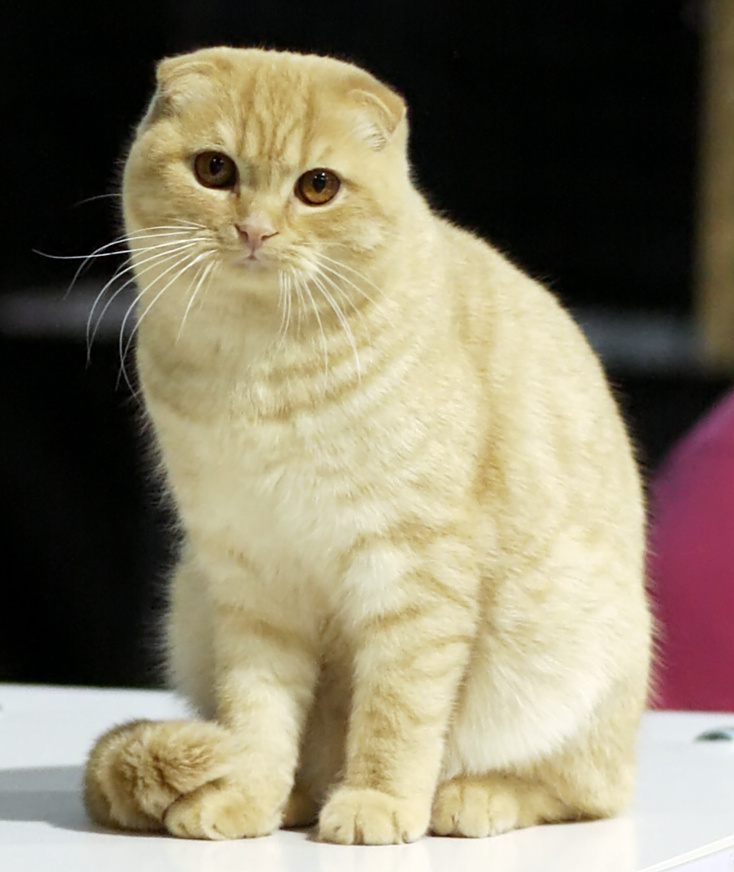
Ragdoll vs Scottish Fold
Ragdoll
Cat- Size
- Large
- Weight
- 4-9 kg
- Lifespan
- 12-15 years
- Origin
- United States
- Coat
- Semi-long silky coat
Scottish Fold
Cat- Size
- Medium
- Weight
- 3-6 kg
- Lifespan
- 11-14 years
- Origin
- Scotland
- Coat
- Short or long coat
Trait Comparison
Bars extend from center. The longer the bar, the higher the score. Winner is highlighted.
Editorial Insights
Written by breed specialists
The Ragdoll and Scottish Fold are both affectionate, medium to large cats that bond strongly with their families, yet differ in temperament expression. Ragdolls are more vocal and responsive, while Scottish Folds are calm, quiet observers of household activity.
Key Difference Most People Miss
Ragdolls are highly vocal, expressive lap cats requiring attention and interaction. Scottish Folds are quiet, calm observers requiring less emotional engagement from owners.
History Explains the Difference
Ragdolls were developed in California in the 1960s through selective breeding for calm temperament. Scottish Folds originated from a spontaneous mutation in Scotland in the 1960s, developing their distinctive folded ears.
Which Breed Fits Your Lifestyle?
Ragdolls suit families wanting a large, vocal, affectionate lap cat requiring regular grooming. Scottish Folds are excellent for apartment dwellers and owners who appreciate calm, quiet companions requiring less maintenance. Scottish Folds are more suitable for apartments despite being equally affectionate. Ragdolls are more vocal and demanding of attention. Both are excellent family cats. For apartment living, Scottish Folds are superior. Ragdolls suit larger homes.
Expert Analysis: Ragdoll vs Scottish Fold
Data-driven comparison based on trait profiles, health data, and breed characteristics.
When comparing the Ragdoll and Scottish Fold, prospective pet owners will find two cat breeds with distinct personalities and care requirements. Scottish Fold has a slightly higher energy level (3/5) compared to Ragdoll (2/5), so expect to dedicate a bit more time to exercise and play with the Scottish Fold. Both breeds score equally well with children (5/5), making either an excellent choice for family households. There is a substantial size difference between these two breeds. The Ragdoll is a large breed (4-9 kg), while the Scottish Fold is a medium breed (3-6 kg). This impacts food costs, space requirements, and even travel convenience. Health-wise, Ragdolls are predisposed to conditions like Hypertrophic Cardiomyopathy and Bladder Stones, while Scottish Folds may face Osteochondrodysplasia and Cardiomyopathy. Prospective owners should budget for regular veterinary check-ups and consider pet insurance for either breed. Ultimately, the best choice between Ragdoll and Scottish Fold depends on your lifestyle, living situation, and personal preferences. Both breeds can make wonderful companions when matched with the right owner.
Ragdoll Quick Answers
Is Ragdoll good with kids?
Yes, Ragdoll scores 5/5 for kid-friendliness, making it an excellent family pet.
Does Ragdoll shed a lot?
Ragdoll has moderate shedding (3/5). Regular brushing helps.
How long does a Ragdoll live?
Ragdolls typically live 12-15 years with proper care, diet, and regular vet check-ups.
Is Ragdoll easy to train?
Ragdoll has a trainability score of 3/5. Consistent training works well.
Scottish Fold Quick Answers
Is Scottish Fold good with kids?
Yes, Scottish Fold scores 5/5 for kid-friendliness, making it an excellent family pet.
Does Scottish Fold shed a lot?
Scottish Fold has moderate shedding (3/5). Regular brushing helps.
How long does a Scottish Fold live?
Scottish Folds typically live 11-14 years with proper care, diet, and regular vet check-ups.
Is Scottish Fold easy to train?
Scottish Fold has a trainability score of 3/5. Consistent training works well.
Choose Scottish Fold if...
- You want an active, high-energy companion
- You want lower grooming maintenance
Health Comparison
Common health concerns for each breed.
Ragdoll
- Hypertrophic Cardiomyopathy
- Bladder Stones
- FIP
Scottish Fold
- Osteochondrodysplasia
- Cardiomyopathy
- Polycystic Kidney Disease