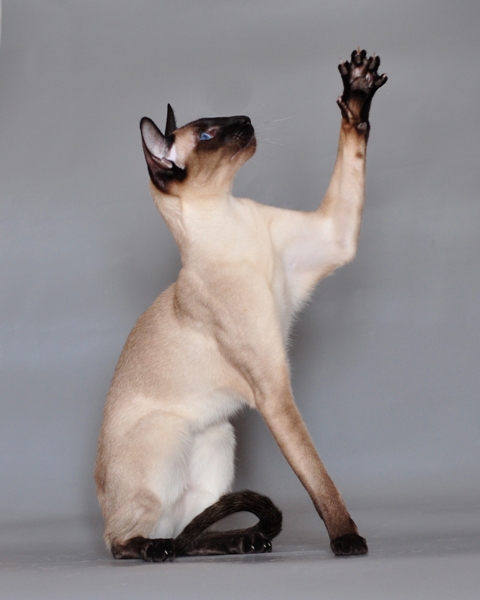

Siamese vs Sphynx
Siamese
Cat- Size
- Medium
- Weight
- 3-5 kg
- Lifespan
- 15-20 years
- Origin
- Thailand
- Coat
- Short fine coat
Sphynx
Cat- Size
- Medium
- Weight
- 3-5 kg
- Lifespan
- 12-14 years
- Origin
- Canada
- Coat
- Hairless (fine peach fuzz)
Trait Comparison
Bars extend from center. The longer the bar, the higher the score. Winner is highlighted.
Editorial Insights
Written by breed specialists
The Siamese and Sphynx both form strong bonds with their families, but express affection differently. Siameses demonstrate devotion through their vocal nature and demand for constant attention, while Sphynxs show attachment through their hairless wrinkled skin requiring special care. Understanding these subtle differences helps match the right breed to your household dynamics.
Key Difference Most People Miss
The most critical overlooked factor is health predisposition: Siameses commonly develop respiratory and cardiac issues, while Sphynxs face challenges with sensitive to temperature and requires regular bathing. Before adopting, research these conditions thoroughly and consult breed-specific veterinary specialists.
History Explains the Difference
Siameses emerged from Thailand (formerly Siam) as prized temple and palace cats, shaping their extreme color points with almond-shaped blue eyes. Sphynxs developed from 1960s Toronto from a natural hairless mutation, resulting in their nude appearance with wrinkled skin and need for sun protection. These divergent origins explain the marked differences in appearance, temperament, and care requirements today.
Which Breed Fits Your Lifestyle?
Sphynxs need regular grooming attention, while Siameses are considerably lower-maintenance. Both breeds are excellent with children, making either suitable for families.
Expert Analysis: Siamese vs Sphynx
Data-driven comparison based on trait profiles, health data, and breed characteristics.
When comparing the Siamese and Sphynx, prospective pet owners will find two cat breeds with distinct personalities and care requirements. For families with children, Sphynx has the edge with a kid-friendliness score of 5/5 compared to Siamese's 4/5. Sphynxs tend to be more patient and gentle around young ones. Grooming demands differ significantly -- Sphynx requires moderate grooming attention, whereas Siamese is relatively low-maintenance in the grooming department (1/5). In terms of longevity, Siameses tend to live longer (15-20 years) compared to Sphynxs (12-14 years). This is an important consideration for anyone seeking a long-term companion. Health-wise, Siameses are predisposed to conditions like Amyloidosis and Asthma, while Sphynxs may face Hypertrophic Cardiomyopathy and Skin Conditions. Prospective owners should budget for regular veterinary check-ups and consider pet insurance for either breed. Ultimately, the best choice between Siamese and Sphynx depends on your lifestyle, living situation, and personal preferences. Both breeds can make wonderful companions when matched with the right owner.
Siamese Quick Answers
Is Siamese good with kids?
Yes, Siamese scores 4/5 for kid-friendliness, making it an excellent family pet.
Does Siamese shed a lot?
No, Siamese is a low shedder (2/5), great for cleaner homes.
How long does a Siamese live?
Siameses typically live 15-20 years with proper care, diet, and regular vet check-ups.
Is Siamese easy to train?
Siamese has a trainability score of 3/5. Consistent training works well.
Sphynx Quick Answers
Is Sphynx good with kids?
Yes, Sphynx scores 5/5 for kid-friendliness, making it an excellent family pet.
Does Sphynx shed a lot?
No, Sphynx is a low shedder (1/5), great for cleaner homes.
How long does a Sphynx live?
Sphynxs typically live 12-14 years with proper care, diet, and regular vet check-ups.
Is Sphynx easy to train?
Sphynx has a trainability score of 3/5. Consistent training works well.
Choose Sphynx if...
- You have young children at home
- You live in an apartment or smaller space
- You prefer less shedding
Health Comparison
Common health concerns for each breed.
Siamese
- Amyloidosis
- Asthma
- Heart Defects
- Progressive Retinal Atrophy
Sphynx
- Hypertrophic Cardiomyopathy
- Skin Conditions
- Respiratory Issues
- Dental Disease