Dog Breeds That Look Similar
These breed pairs are commonly confused due to their similar appearance. Learn the key differences to tell them apart.
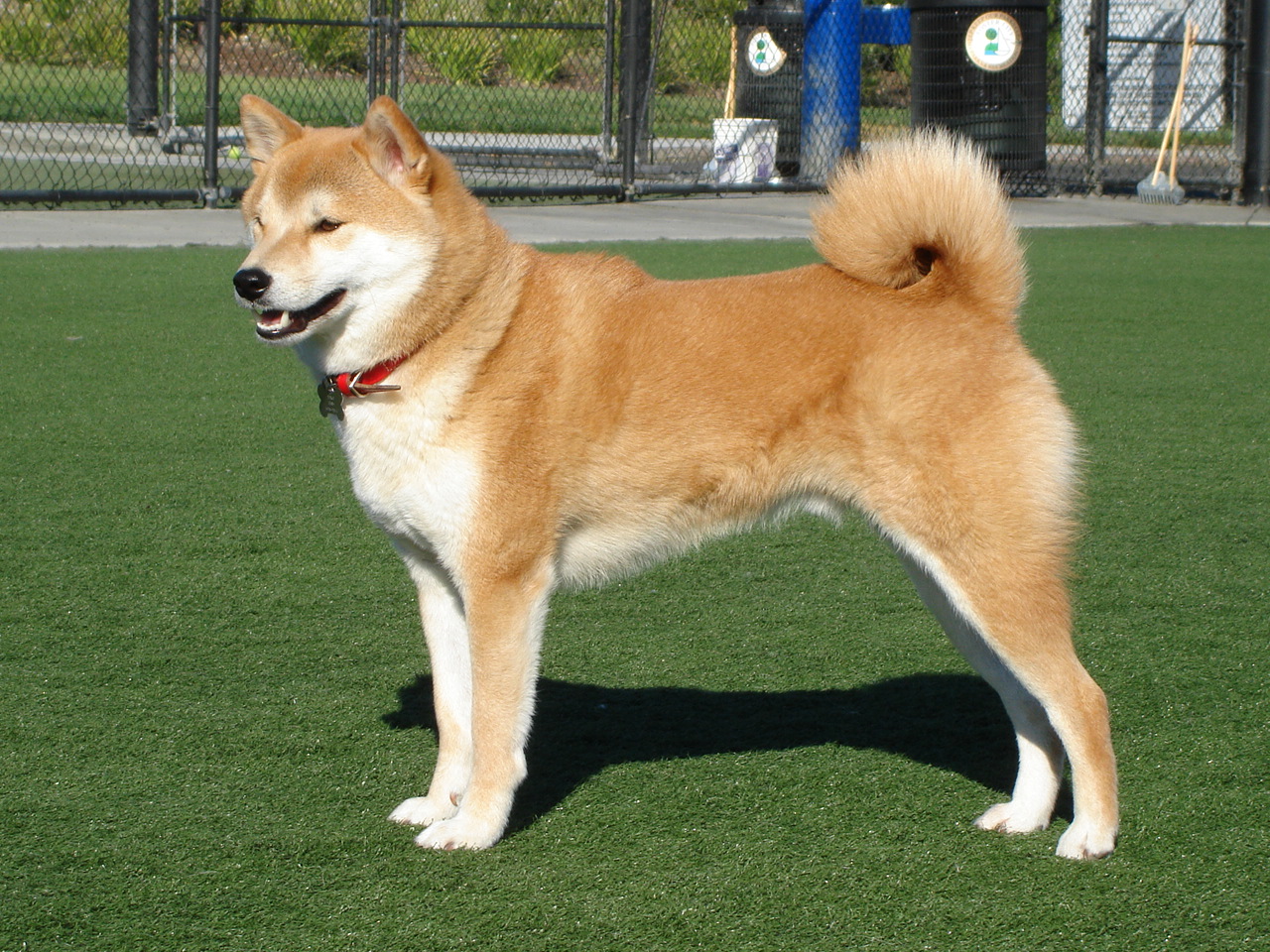

Why they're confused: Both are Japanese spitz-type dogs with curled tails, triangular ears, and fox-like faces. The Akita is much larger.
Key difference: Size: Shiba Inu is 8-10 kg vs Akita at 32-45 kg. Shiba Inus are more independent while Akitas are more protective.


Why they're confused: Both are large sled dogs with thick double coats, erect ears, and wolf-like appearances. Often mistaken for each other at dog parks.
Key difference: Malamutes are larger (34-45 kg vs 16-27 kg) and more powerful. Huskies have blue or multi-colored eyes; Malamutes always have brown eyes.
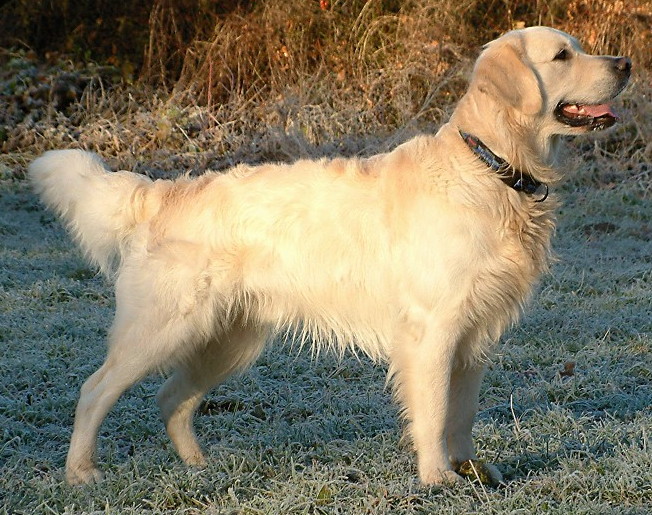

Why they're confused: America's two most popular family dogs. Both are friendly, trainable, and love water. Similar build and temperament.
Key difference: Golden Retrievers have long, flowing coats that shed more and need more grooming. Labs have short, dense coats and tend to be slightly more energetic.
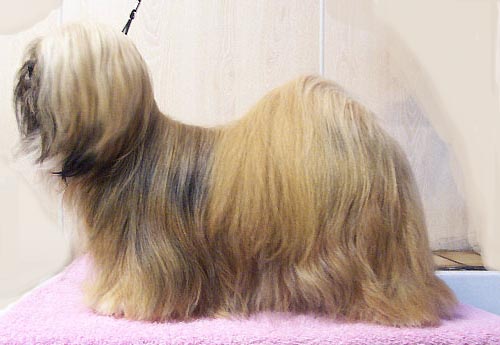

Why they're confused: Both are small, long-haired Asian breeds with flat faces. Even experienced dog owners confuse them.
Key difference: Lhasa Apsos have a narrower skull and longer nose. Shih Tzus have rounder heads and shorter muzzles. Lhasas are more independent; Shih Tzus are more affectionate.


Why they're confused: Shelties look like miniature Collies with nearly identical coat patterns and coloring. Both are herding breeds.
Key difference: Size is the main difference: Collies are 18-29 kg while Shelties are 5-11 kg. Shelties tend to bark more and are even more sensitive.


Why they're confused: Both are stocky, muscular terrier breeds. Often grouped together under "bully breeds" umbrella.
Key difference: Bull Terriers have a distinctive egg-shaped head. Staffies have a broader, shorter face. Staffies are generally more people-oriented and patient with children.


Why they're confused: Both are large, intelligent working dogs used in police and military. Similar coloring with black mask and tan body.
Key difference: Belgian Malinois are leaner and lighter with shorter coats. They have even higher energy and drive than German Shepherds. Malinois need extremely experienced owners.

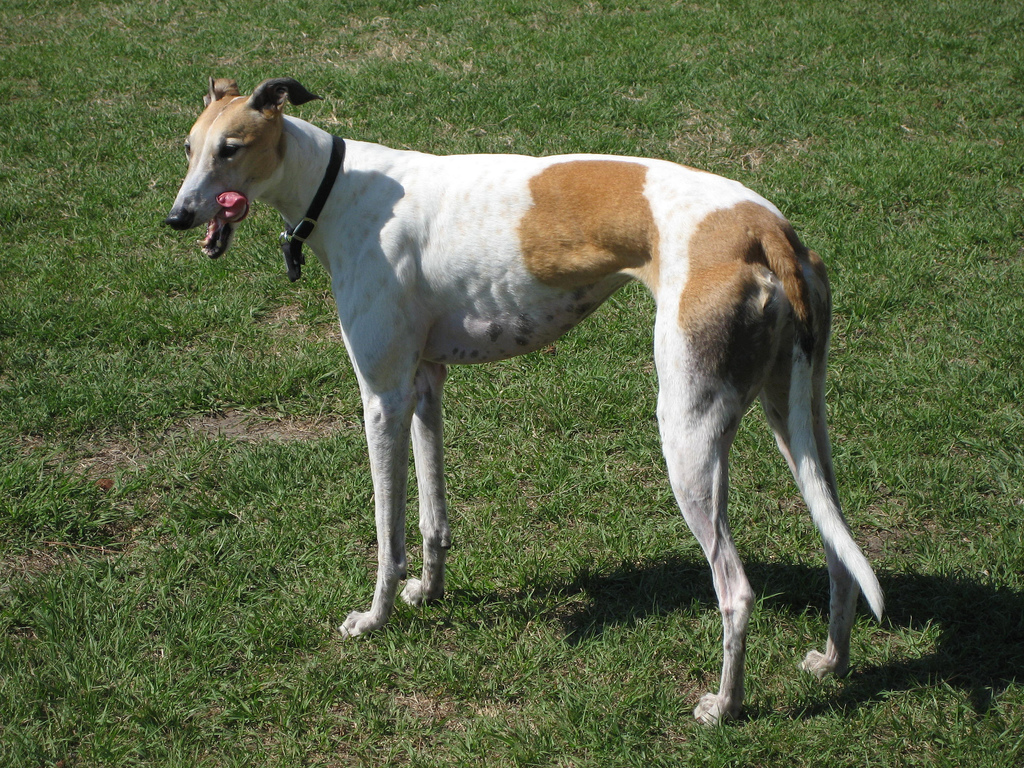
Why they're confused: Both are sleek sighthounds with deep chests, tucked waists, and incredible speed. Whippets look like small Greyhounds.
Key difference: Size: Greyhounds are 27-32 kg vs Whippets at 9-13 kg. Both are gentle couch potatoes at home despite their racing heritage.

Why they're confused: All three sighthounds share the same elegant, slender build. Italian Greyhounds are the smallest of the trio.
Key difference: Italian Greyhounds are 3-5 kg — much smaller and more fragile. They are true lap dogs while Whippets still need significant exercise.

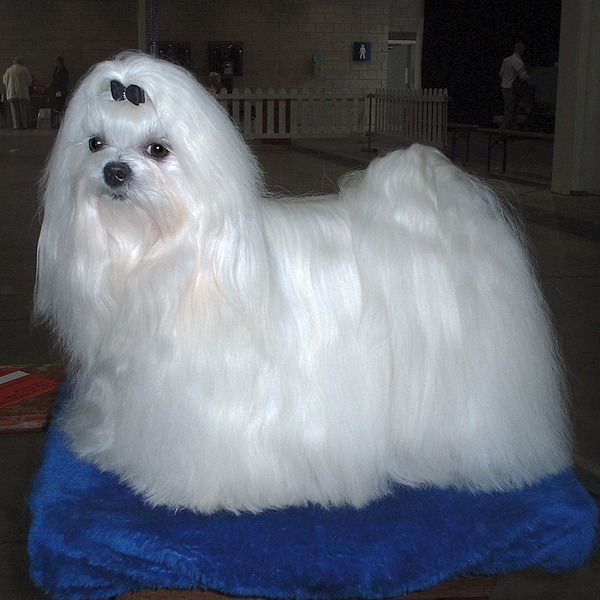
Why they're confused: Both are tiny, white, fluffy companion dogs. From a distance, they look nearly identical.
Key difference: Bichon Frises have curly coats and rounder faces. Maltese have straight, silky hair that hangs flat. Bichons are slightly stockier and more playful.
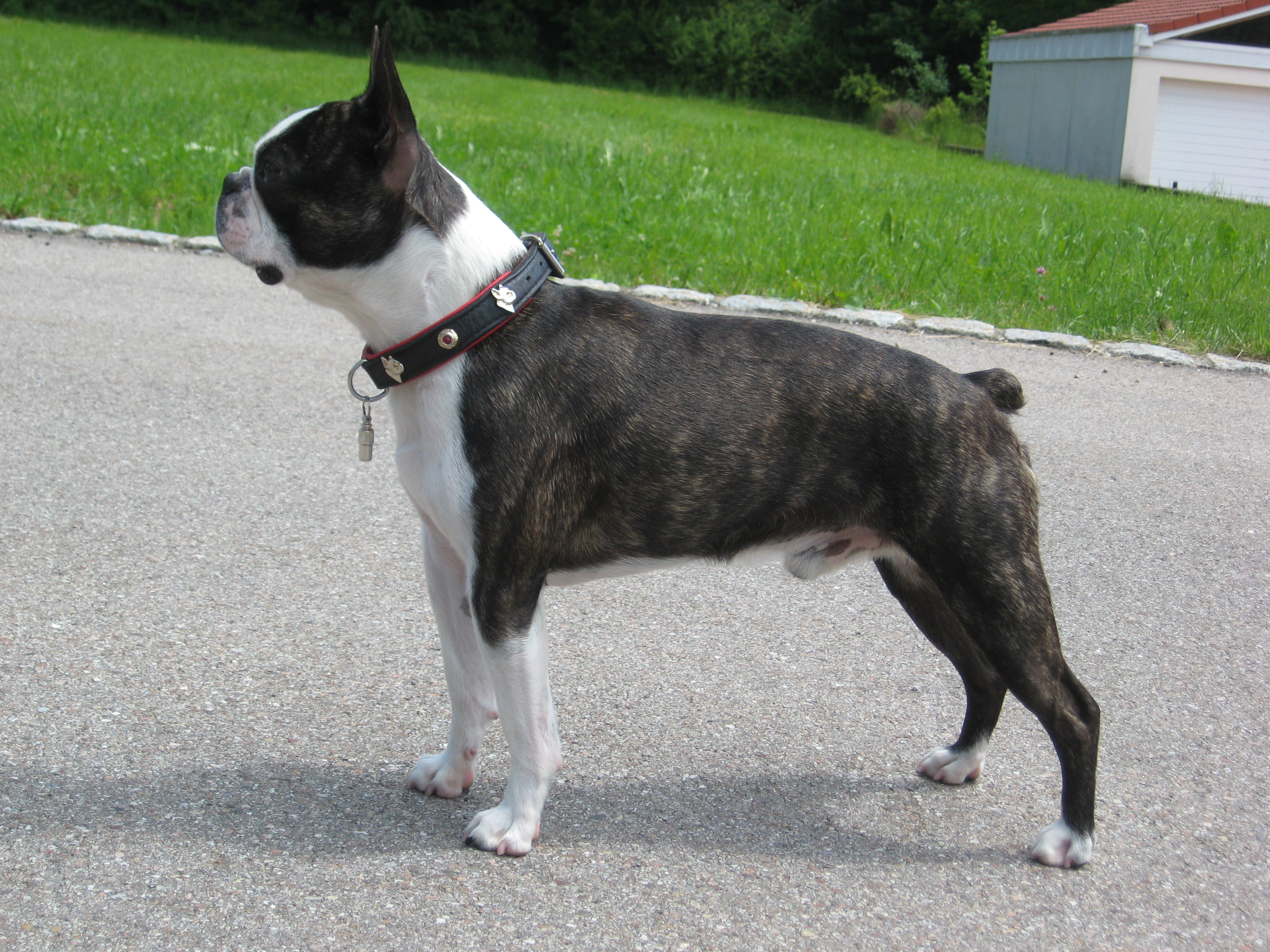
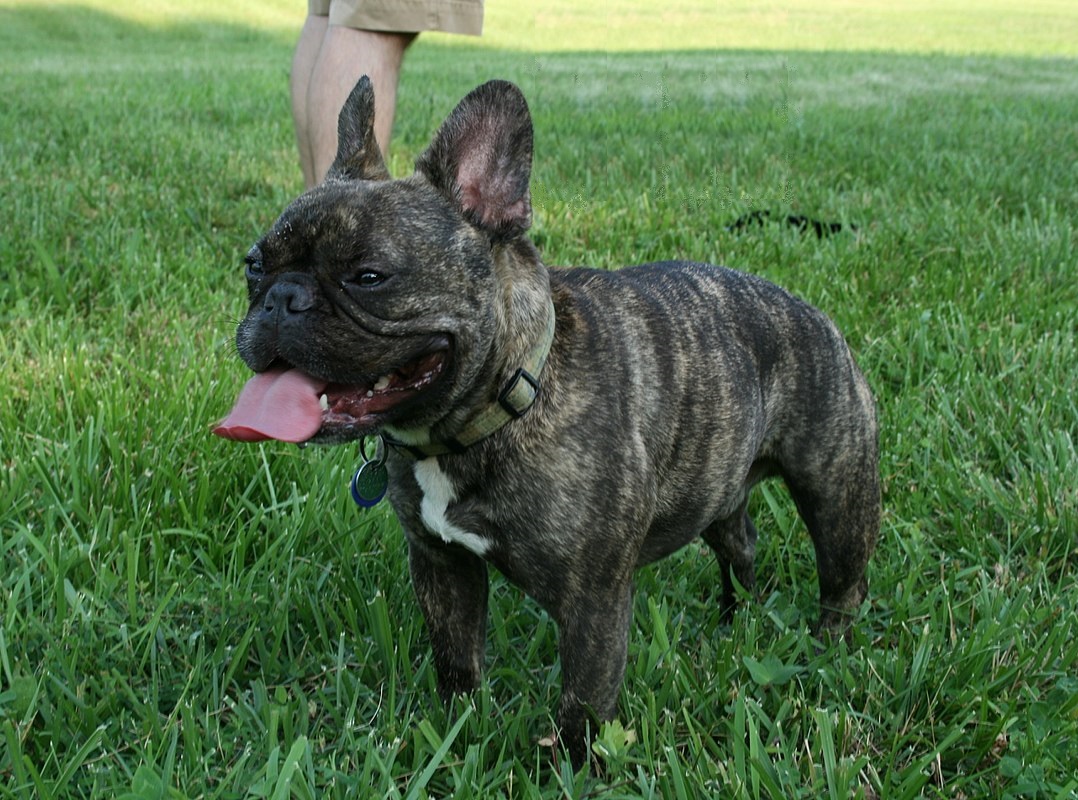
Why they're confused: Both are small, flat-faced dogs with bat-like ears and tuxedo-like markings. Frequently confused even by breed enthusiasts.
Key difference: Boston Terriers are leaner with longer legs and a more pointed face. French Bulldogs are stockier with wider, more square heads. Bostons are typically more energetic.
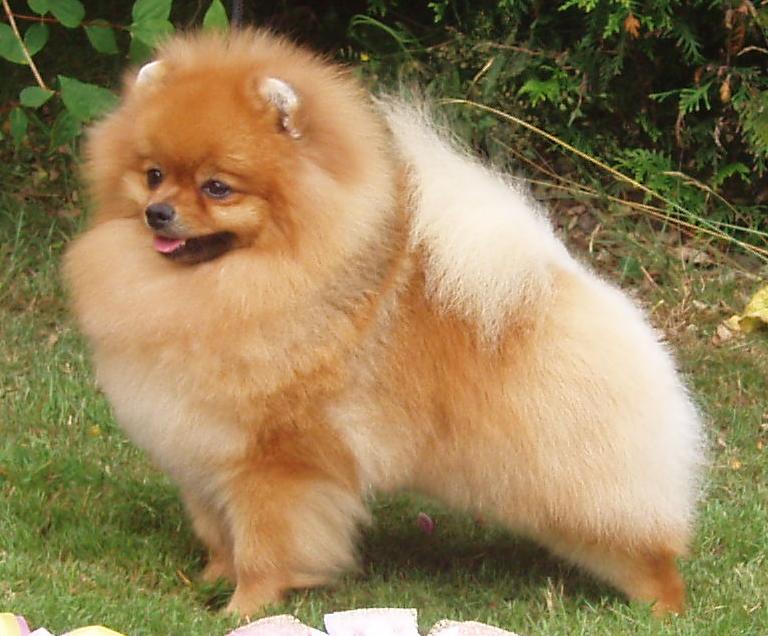
Why they're confused: Both are small, fluffy spitz-type dogs with fox-like faces and thick double coats.
Key difference: Japanese Spitz are slightly larger (5-10 kg vs 1.5-3 kg) and always white. Pomeranians come in many colors and have more of a teddy bear face.


Why they're confused: Both are medium-sized herding breeds known for intelligence, athleticism, and similar merle coat patterns.
Key difference: Australian Shepherds are stockier with bobbed tails. Border Collies are leaner and often considered the most intelligent of all dog breeds. Both need extensive exercise.

Why they're confused: Both are large, muscular mastiff-type guard dogs with similar builds and protective temperaments.
Key difference: Cane Corsos are slightly taller and more athletic. Presa Canarios are broader and heavier. Both require very experienced owners and early socialization.


Why they're confused: Both are large, white livestock guardian dogs with similar builds and protective instincts.
Key difference: Great Pyrenees are larger and have a thicker, more luxurious coat. Kuvasz have a slightly more athletic build and are more agile. Both are independent thinkers.

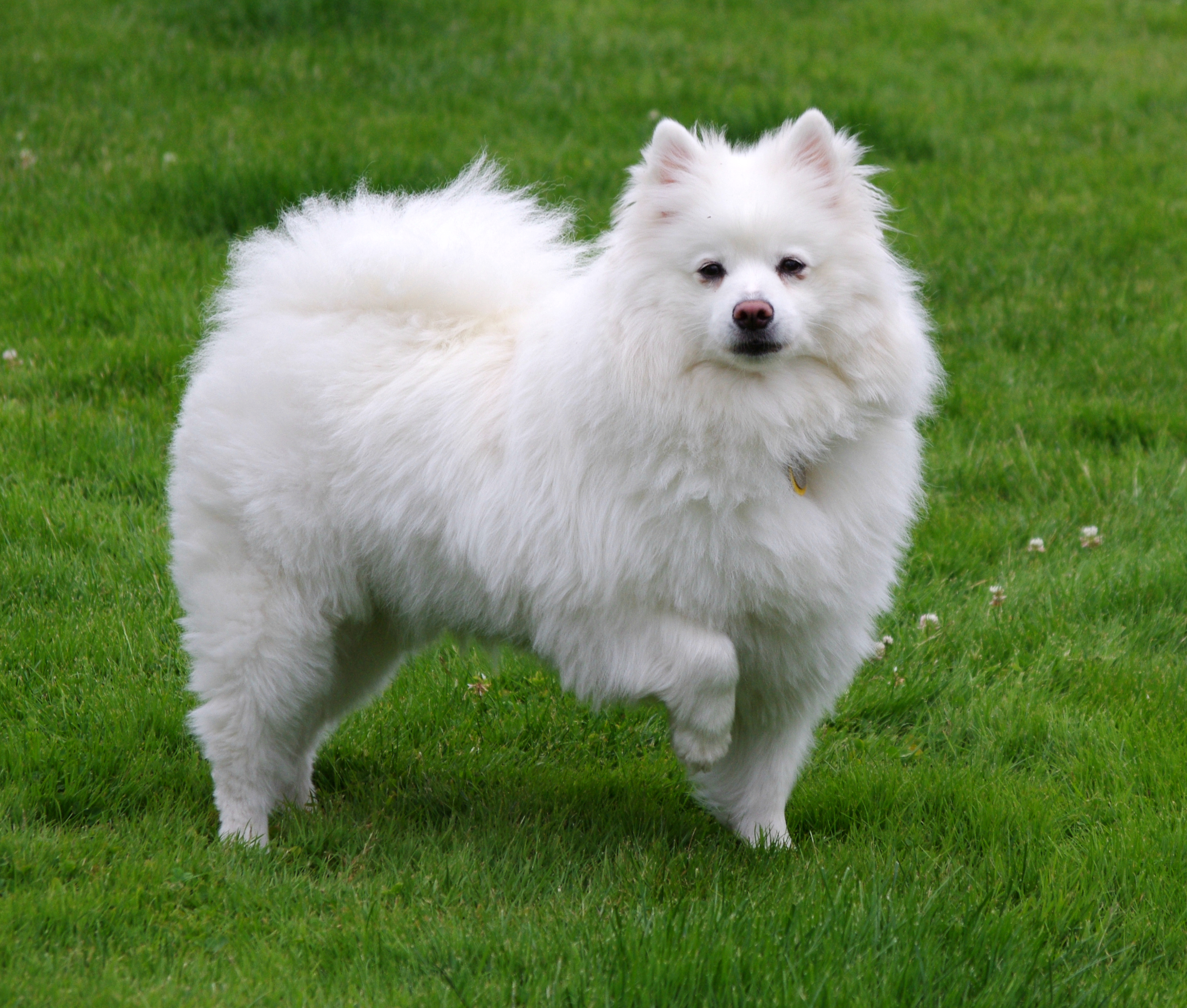
Why they're confused: Both are white, fluffy spitz breeds with curled tails, erect ears, and characteristic "smiling" expressions.
Key difference: Samoyeds are much larger (16-30 kg vs 2.5-16 kg). American Eskimo Dogs come in three sizes (toy, miniature, standard) while Samoyeds are always large.
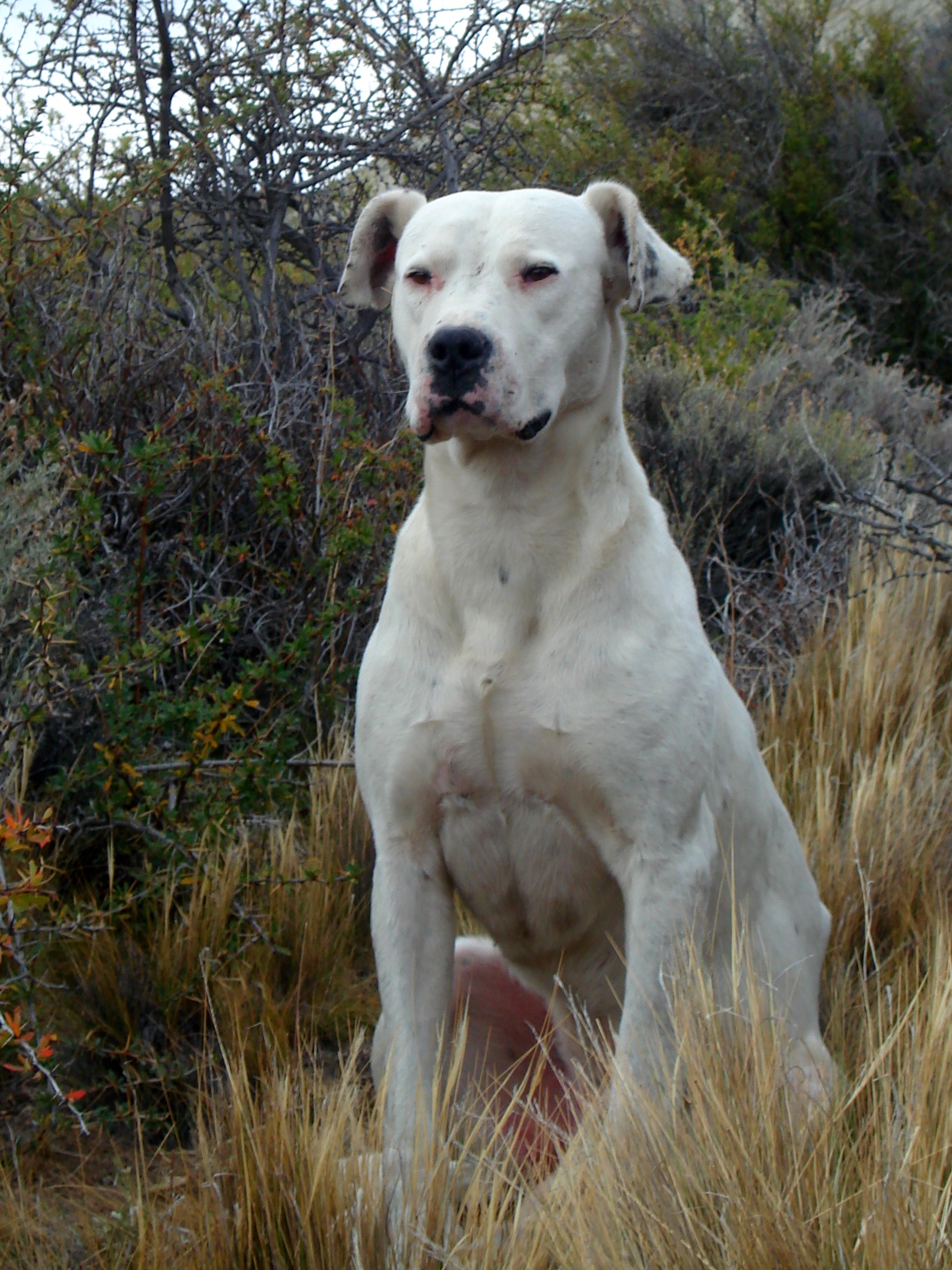
Why they're confused: Both are white, muscular, athletic dogs. Their similar coloring and strong builds cause confusion.
Key difference: Dogo Argentinos are much larger (35-45 kg vs 22-32 kg) and were bred for big-game hunting. Bull Terriers have the distinctive egg-shaped head.
Why they're confused: Both are powerful, large, muscular dogs with cropped ears (traditionally) and similar athletic builds.
Key difference: Cane Corsos are typically brindle, black, or fawn while Dogo Argentinos are always white. Corsos are mastiff-type while Dogos are more athletic and lean.
Why Do Some Dog Breeds Look So Similar?
Many dog breeds share visual similarities because they were developed from common ancestors or bred for similar purposes. Sighthounds like the Greyhound, Whippet, and Italian Greyhound all share the same aerodynamic body type because they were bred for speed. Spitz breeds like the Shiba Inu, Akita, and Samoyed share pointed ears and curled tails from their Nordic ancestry.
While look-alike breeds may appear similar on the surface, they often differ significantly in temperament, size, exercise needs, and care requirements. A Siberian Husky and an Alaskan Malamute may look like siblings, but the Malamute can be nearly twice the weight and has a very different energy profile. Always research the specific breed — not just the look — before bringing a new pet home.
Our detailed comparison pages break down every difference between these commonly confused breed pairs, from physical measurements to personality traits, health concerns, and lifestyle compatibility. Use them to make an informed decision about which breed is truly right for you.