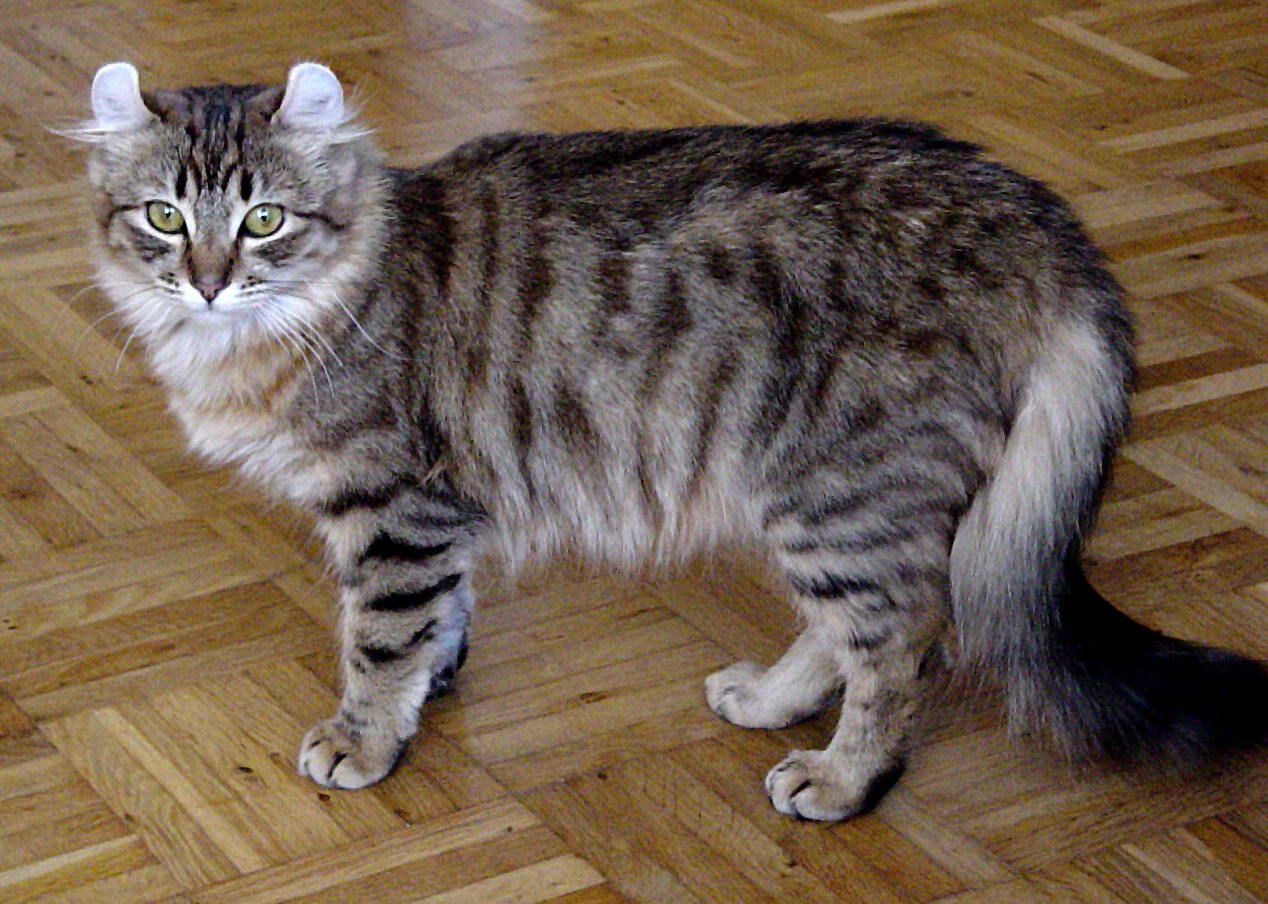
Munchkin vs American Curl
Munchkin
Cat- Size
- Small-Medium
- Weight
- 3-4 kg
- Lifespan
- 12-15 years
- Origin
- United States
- Coat
- Short or long coat
American Curl
Cat- Size
- Medium
- Weight
- 3-5 kg
- Lifespan
- 12-16 years
- Origin
- United States
- Coat
- Short or long coat
Trait Comparison
Bars extend from center. The longer the bar, the higher the score. Winner is highlighted.
Editorial Insights
Written by breed specialists
The Munchkin and American Curl embody strikingly different breeding philosophies within the feline world—one celebrates a deliberate genetic anomaly, while the other represents traditional selective breeding. Munchkin cats are immediately recognizable by their signature short legs, while American Curl exhibits a standard skeletal structure. This comparison reveals fundamental lifestyle and practical considerations crucial for prospective owners evaluating these distinctly different companions.
Key Difference Most People Miss
The Munchkin's autosomal dominant dwarfism gene produces their iconic short legs while maintaining normal skeletal proportions elsewhere, fundamentally limiting jumping height and climbing ability. This genetic trait isn't merely cosmetic—it creates legitimate physiological challenges affecting how these cats navigate their environment and experience aging differently than standard cats. Veterinary research continues examining long-term health implications of this dramatic structural modification.
History Explains the Difference
The Munchkin breed emerged in 1983 when breeders deliberately selected for a natural genetic mutation creating short-legged cats, formally establishing it as a breed in the 1990s. This intentional breeding of dwarfism remains controversial within cat fancy circles, with ongoing debate about welfare implications, breed sustainability, and whether novelty justifies potential long-term health compromises.
Which Breed Fits Your Lifestyle?
Munchkin cats demonstrate exceptional adaptability to apartment living and indoor-only environments, where their shorter legs and lower jumping ability actually simplify furniture access and create inherent safety advantages. American Curls, with their standard physique, offer superior mobility across multi-level homes and greater freedom for vertical exploration. For families prioritizing distinctive visual appeal and a unique conversation piece, Munchkins deliver undeniable novelty, though prospective owners must acknowledge potential age-related mobility challenges and increased joint stress. American Curls present a more conventional ownership experience, requiring less specialized knowledge about breed-specific physical limitations. Both breeds adapt well to indoor living, but the Munchkin's natural height limitations demand accessible litter boxes, appropriately-sized furniture, and careful environmental design to prevent injuries.
Expert Analysis: Munchkin vs American Curl
Data-driven comparison based on trait profiles, health data, and breed characteristics.
When comparing the Munchkin and American Curl, prospective pet owners will find two cat breeds with distinct personalities and care requirements. Munchkin has a slightly higher energy level (4/5) compared to American Curl (3/5), so expect to dedicate a bit more time to exercise and play with the Munchkin. For families with children, American Curl has the edge with a kid-friendliness score of 5/5 compared to Munchkin's 4/5. American Curls tend to be more patient and gentle around young ones. Health-wise, Munchkins are predisposed to conditions like Lordosis and Pectus Excavatum, while American Curls may face Ear Canal Issues and Generally healthy. Prospective owners should budget for regular veterinary check-ups and consider pet insurance for either breed. Ultimately, the best choice between Munchkin and American Curl depends on your lifestyle, living situation, and personal preferences. Both breeds can make wonderful companions when matched with the right owner.
Munchkin Quick Answers
Is Munchkin good with kids?
Yes, Munchkin scores 4/5 for kid-friendliness, making it an excellent family pet.
Does Munchkin shed a lot?
No, Munchkin is a low shedder (2/5), great for cleaner homes.
How long does a Munchkin live?
Munchkins typically live 12-15 years with proper care, diet, and regular vet check-ups.
Is Munchkin easy to train?
Munchkin has a trainability score of 3/5. Consistent training works well.
American Curl Quick Answers
Is American Curl good with kids?
Yes, American Curl scores 5/5 for kid-friendliness, making it an excellent family pet.
Does American Curl shed a lot?
No, American Curl is a low shedder (2/5), great for cleaner homes.
How long does a American Curl live?
American Curls typically live 12-16 years with proper care, diet, and regular vet check-ups.
Is American Curl easy to train?
American Curl has a trainability score of 3/5. Consistent training works well.
Choose American Curl if...
- You prefer a calmer, lower-energy pet
- You have young children at home
Health Comparison
Common health concerns for each breed.
Munchkin
- Lordosis
- Pectus Excavatum
- Osteoarthritis
American Curl
- Ear Canal Issues
- Generally healthy