
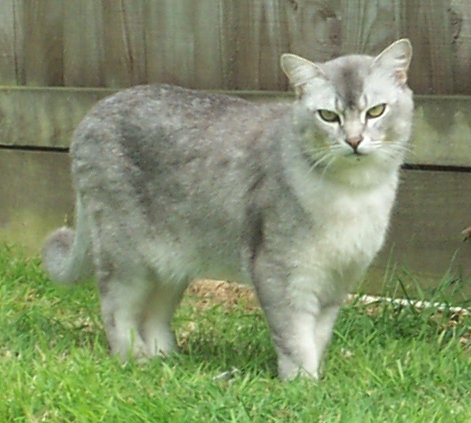
Peterbald vs Burmilla
Peterbald
Cat- Size
- Medium
- Weight
- 3-5 kg
- Lifespan
- 12-15 years
- Origin
- Russia
- Coat
- Hairless to short coat
Burmilla
Cat- Size
- Medium
- Weight
- 3-6 kg
- Lifespan
- 10-15 years
- Origin
- United Kingdom
- Coat
- Short or semi-long coat
Trait Comparison
Bars extend from center. The longer the bar, the higher the score. Winner is highlighted.
Editorial Insights
Written by breed specialists
Peterbalds are noticeably more active than Burmillas, though both breeds share moderate to high energy levels. The distinction lies in their play styles and enrichment needs rather than fundamental incompatibility. Active households will find either breed rewarding, but the difference is worth understanding.
Key Difference Most People Miss
Peterbalds are more energetic and demanding overall, requiring owners committed to constant engagement and activity. Burmillas, being calmer and more independent, suit different lifestyles entirely. This fundamental temperament gap is the key distinguishing factor between these breeds.
History Explains the Difference
Created in Saint Petersburg, Russia during the 1990s, the Peterbald breed emerged from crossing the Russian Donskoy with Oriental shorthairs. These elegant hairless cats were specifically bred for their intense affection and striking, unique appearance. Burmillas were discovered by accident in Britain in 1981 when a Burmese cat escaped and mated with a Chinchilla, producing stunning silver-coated kittens. This serendipitous cross led to formalization of a new breed with elegant silver coats. These distinct origins shaped their fundamentally different temperaments and physical characteristics.
Which Breed Fits Your Lifestyle?
Peterbalds form intense bonds with their owners and demand constant companionship, making them ideal for people who work from home or spend significant time with their pets. Burmillas are more independent and comfortable with solitude. Peterbalds need substantial daily exercise and interactive play, making them suitable for active households with dedicated time. Burmillas are content with moderate activity and fewer play sessions. Peterbalds require regular grooming sessions and coat maintenance, adding to their care demands substantially. Burmillas are relatively low-maintenance regarding grooming, requiring occasional brushing.
Expert Analysis: Peterbald vs Burmilla
Data-driven comparison based on trait profiles, health data, and breed characteristics.
When comparing the Peterbald and Burmilla, prospective pet owners will find two cat breeds with distinct personalities and care requirements. Peterbald has a slightly higher energy level (4/5) compared to Burmilla (3/5), so expect to dedicate a bit more time to exercise and play with the Peterbald. Both breeds score equally well with children (4/5), making either an excellent choice for family households. Health-wise, Peterbalds are predisposed to conditions like Skin Sensitivity and Sunburn, while Burmillas may face Allergies and PKD. Prospective owners should budget for regular veterinary check-ups and consider pet insurance for either breed. Ultimately, the best choice between Peterbald and Burmilla depends on your lifestyle, living situation, and personal preferences. Both breeds can make wonderful companions when matched with the right owner.
Peterbald Quick Answers
Is Peterbald good with kids?
Yes, Peterbald scores 4/5 for kid-friendliness, making it an excellent family pet.
Does Peterbald shed a lot?
No, Peterbald is a low shedder (1/5), great for cleaner homes.
How long does a Peterbald live?
Peterbalds typically live 12-15 years with proper care, diet, and regular vet check-ups.
Is Peterbald easy to train?
Peterbald has a trainability score of 3/5. Consistent training works well.
Burmilla Quick Answers
Is Burmilla good with kids?
Yes, Burmilla scores 4/5 for kid-friendliness, making it an excellent family pet.
Does Burmilla shed a lot?
No, Burmilla is a low shedder (2/5), great for cleaner homes.
How long does a Burmilla live?
Burmillas typically live 10-15 years with proper care, diet, and regular vet check-ups.
Is Burmilla easy to train?
Burmilla has a trainability score of 3/5. Consistent training works well.
Choose Peterbald if...
- You want an active, high-energy companion
- You prefer less shedding
Choose Burmilla if...
- You prefer a calmer, lower-energy pet
- You want lower grooming maintenance
Health Comparison
Common health concerns for each breed.
Peterbald
- Skin Sensitivity
- Sunburn
- Respiratory Issues
Burmilla
- Allergies
- PKD