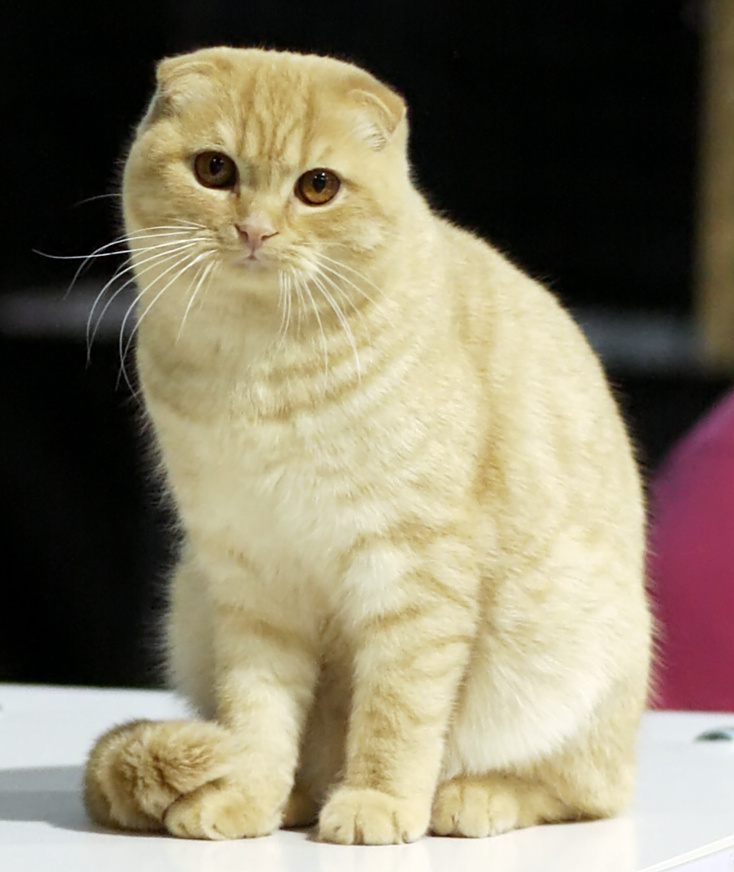

Scottish Fold vs Russian Blue
Scottish Fold
Cat- Size
- Medium
- Weight
- 3-6 kg
- Lifespan
- 11-14 years
- Origin
- Scotland
- Coat
- Short or long coat
Russian Blue
Cat- Size
- Medium
- Weight
- 3-6 kg
- Lifespan
- 15-20 years
- Origin
- Russia
- Coat
- Short dense blue-gray
Trait Comparison
Bars extend from center. The longer the bar, the higher the score. Winner is highlighted.
Editorial Insights
Written by breed specialists
Scottish Fold and Russian Blue cats both project quiet elegance and selective affection but diverge in appearance, origin, and personality intensity. Scottish Folds showcase distinctive folded ears and round faces, while Russian Blues display striking blue-gray coats and emerald eyes. Both form family bonds but express attachment selectively.
Key Difference Most People Miss
Emotional expression differs: Scottish Folds are relatively outwardly affectionate despite selective nature, often seeking moderate human interaction and appearing friendlier overall, while Russian Blues maintain consistent emotional distance, bonding selectively and appearing more aloof. This affects perceived social engagement and owner satisfaction considerably.
History Explains the Difference
Scottish Folds originated from a spontaneous ear-folding mutation in Scottish farm cats in 1961. Russian Blues emerged in 19th-century Russia and Scandinavia from local blue-coated cats, subsequently refined through selective breeding to create their distinctive green eyes and elegant appearance.
Which Breed Fits Your Lifestyle?
Scottish Folds adapt gracefully to various living situations and activity levels, thriving with human presence but equally content observing family activities from periphery. Russian Blues also adapt well to varied situations, preferring observant companionship and quiet presence over intensive engagement. Both suit apartment living and varied schedules, making them excellent for busy professionals. Neither breed demands constant attention or activity, unlike more demanding breeds. Both suit owners seeking calmer, more independent companions. Scottish Folds are often more overtly affectionate; Russian Blues maintain more emotional reserve.
Expert Analysis: Scottish Fold vs Russian Blue
Data-driven comparison based on trait profiles, health data, and breed characteristics.
When comparing the Scottish Fold and Russian Blue, prospective pet owners will find two cat breeds with distinct personalities and care requirements. For families with children, Scottish Fold has the edge with a kid-friendliness score of 5/5 compared to Russian Blue's 4/5. Scottish Folds tend to be more patient and gentle around young ones. In terms of longevity, Russian Blues tend to live longer (15-20 years) compared to Scottish Folds (11-14 years). This is an important consideration for anyone seeking a long-term companion. Health-wise, Scottish Folds are predisposed to conditions like Osteochondrodysplasia and Cardiomyopathy, while Russian Blues may face Obesity and Bladder Stones. Prospective owners should budget for regular veterinary check-ups and consider pet insurance for either breed. Ultimately, the best choice between Scottish Fold and Russian Blue depends on your lifestyle, living situation, and personal preferences. Both breeds can make wonderful companions when matched with the right owner.
Scottish Fold Quick Answers
Is Scottish Fold good with kids?
Yes, Scottish Fold scores 5/5 for kid-friendliness, making it an excellent family pet.
Does Scottish Fold shed a lot?
Scottish Fold has moderate shedding (3/5). Regular brushing helps.
How long does a Scottish Fold live?
Scottish Folds typically live 11-14 years with proper care, diet, and regular vet check-ups.
Is Scottish Fold easy to train?
Scottish Fold has a trainability score of 3/5. Consistent training works well.
Russian Blue Quick Answers
Is Russian Blue good with kids?
Yes, Russian Blue scores 4/5 for kid-friendliness, making it an excellent family pet.
Does Russian Blue shed a lot?
No, Russian Blue is a low shedder (2/5), great for cleaner homes.
How long does a Russian Blue live?
Russian Blues typically live 15-20 years with proper care, diet, and regular vet check-ups.
Is Russian Blue easy to train?
Russian Blue has a trainability score of 3/5. Consistent training works well.
Choose Russian Blue if...
- You want lower grooming maintenance
- You prefer less shedding
Health Comparison
Common health concerns for each breed.
Scottish Fold
- Osteochondrodysplasia
- Cardiomyopathy
- Polycystic Kidney Disease
Russian Blue
- Obesity
- Bladder Stones
- Generally very healthy