Breeds Prone to Allergies
Pet allergies include environmental allergies (atopy), food allergies, and flea allergy dermatitis. Allergies cause chronic itching and skin problems and are among the most common reasons for veterinary visits. Certain breeds have a genetic predisposition to developing allergies.
Symptoms
Persistent itching and scratching, red or inflamed skin, recurring ear infections, licking paws excessively, hair loss, hot spots, and gastrointestinal issues in the case of food allergies.
Prevention & Management
Regular flea prevention, identifying and avoiding allergens through veterinary testing, feeding hypoallergenic or limited-ingredient diets, regular bathing with medicated shampoos, and managing environmental triggers.
16 Breeds Prone to Allergies
15 dog breeds and 1 cat breed
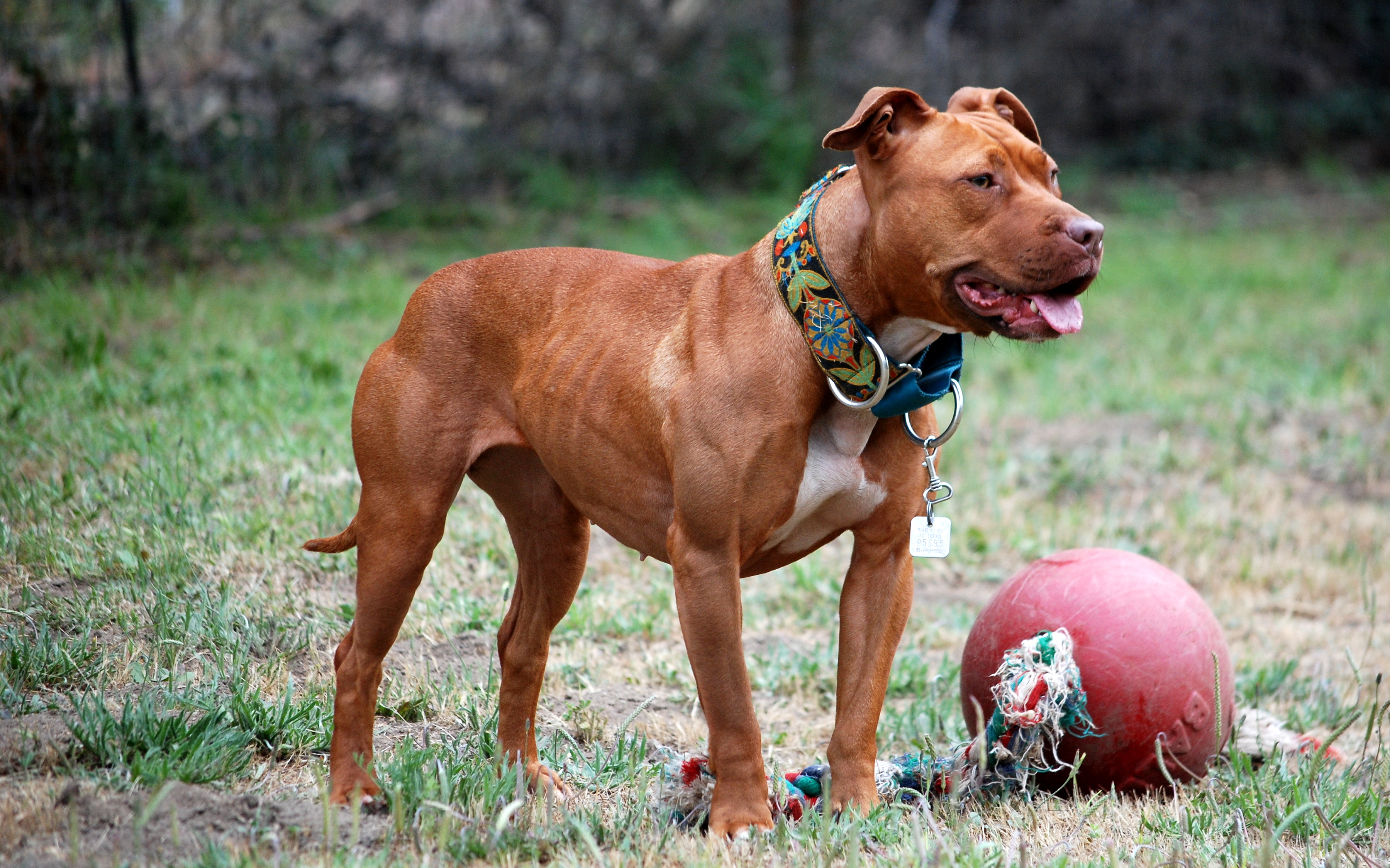
American Pit Bull Terrier
Dog · Medium-Large · United States
Health risks: Hip Dysplasia, Allergies, Heart Disease, Thyroid Issues
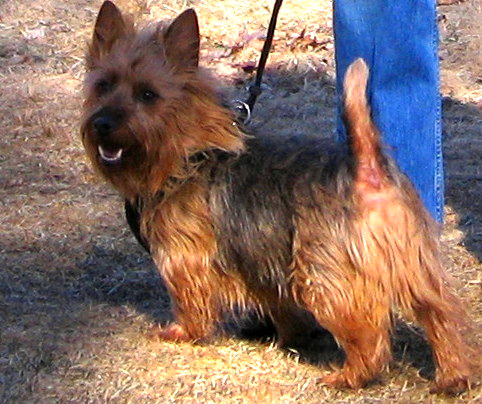
Australian Terrier
Dog · Small · Australia
Health risks: Luxating Patella, Diabetes, Allergies, Legg-Calve-Perthes

Bichon Frise
Dog · Small · France/Belgium
Health risks: Allergies, Bladder Stones, Luxating Patella, Dental Disease
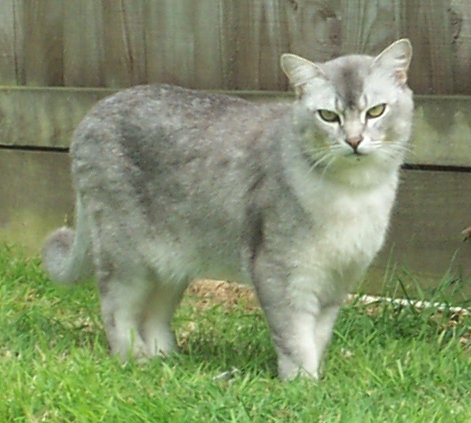
Burmilla
Cat · Medium · United Kingdom
Health risks: Allergies, PKD
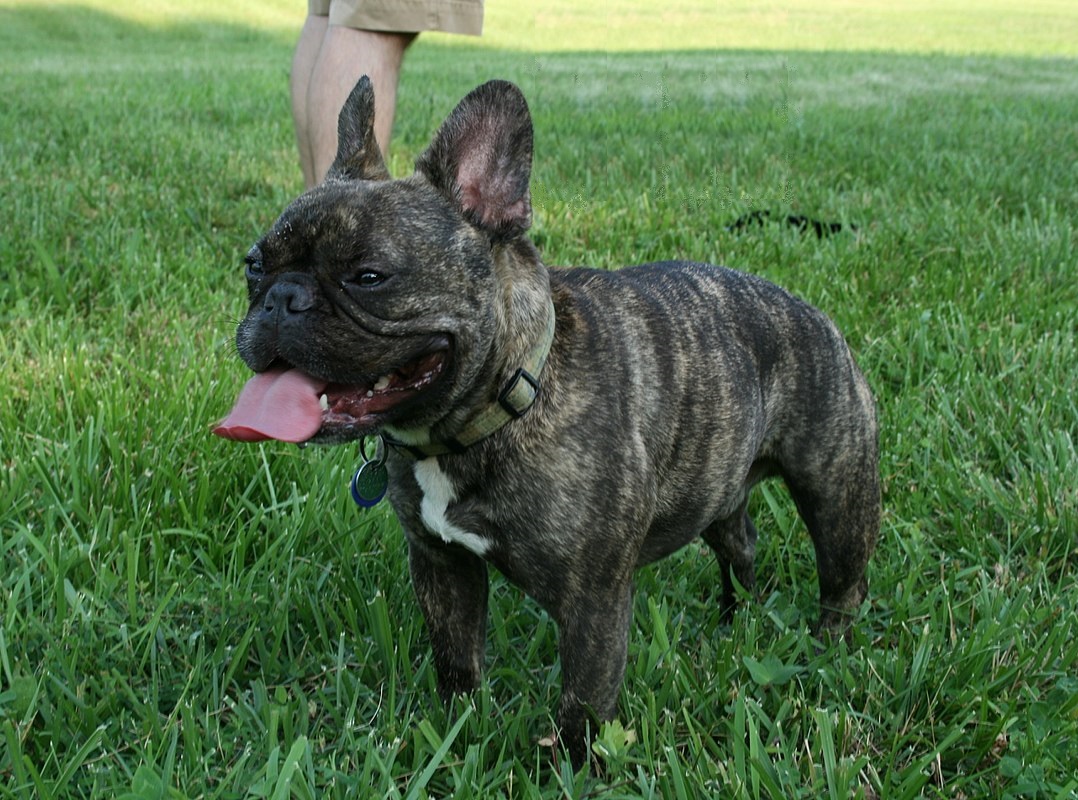
French Bulldog
Dog · Small · France/England
Health risks: Brachycephalic Syndrome, Spinal Disorders, Allergies, Eye Problems
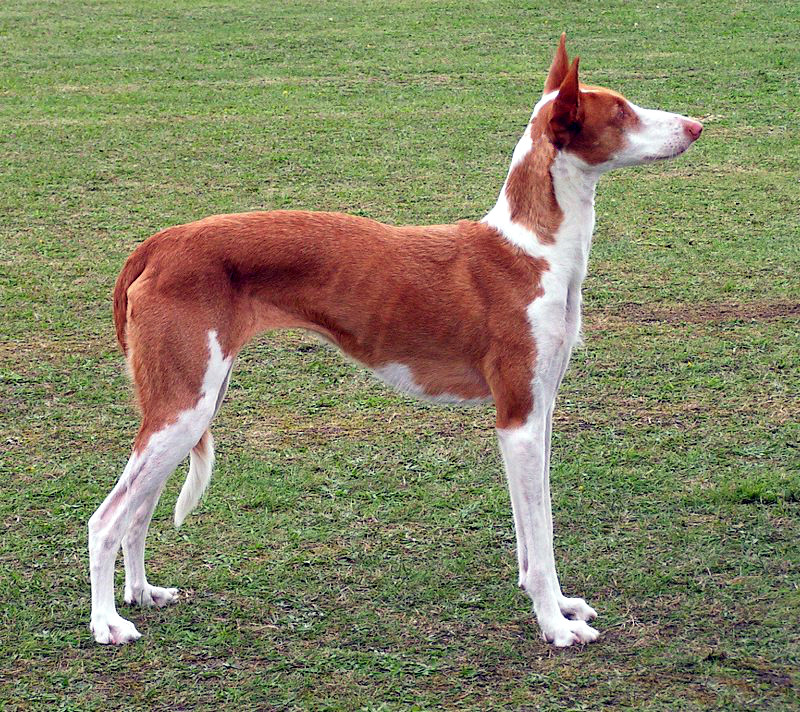
Ibizan Hound
Dog · Large · Spain
Health risks: Hip Dysplasia, Eye Conditions, Seizures, Allergies

Jindo
Dog · Medium · South Korea
Health risks: Hypothyroidism, Allergies, Eye Conditions

Lhasa Apso
Dog · Small · Tibet
Health risks: Eye Problems, Kidney Disease, Hip Dysplasia, Allergies
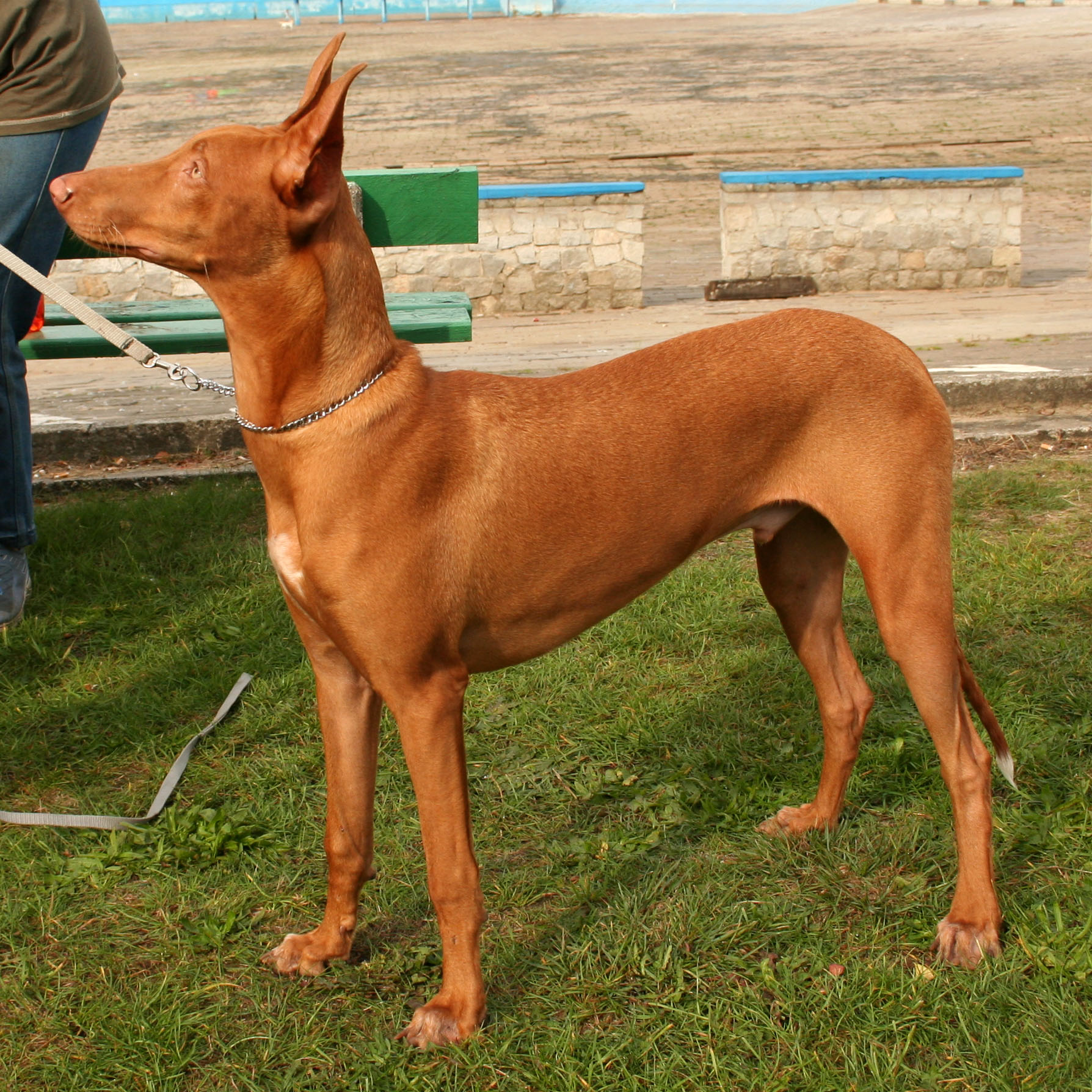
Pharaoh Hound
Dog · Medium-Large · Malta
Health risks: Anesthesia Sensitivity, Allergies, Generally healthy
Pomsky
Dog · Small-Medium · United States
Health risks: Eye Conditions, Allergies, Dental Disease, Hip Dysplasia

Rat Terrier
Dog · Small-Medium · United States
Health risks: Luxating Patella, Hip Dysplasia, Eye Conditions, Allergies

Sealyham Terrier
Dog · Small · Wales
Health risks: Eye Conditions, Deafness, Allergies
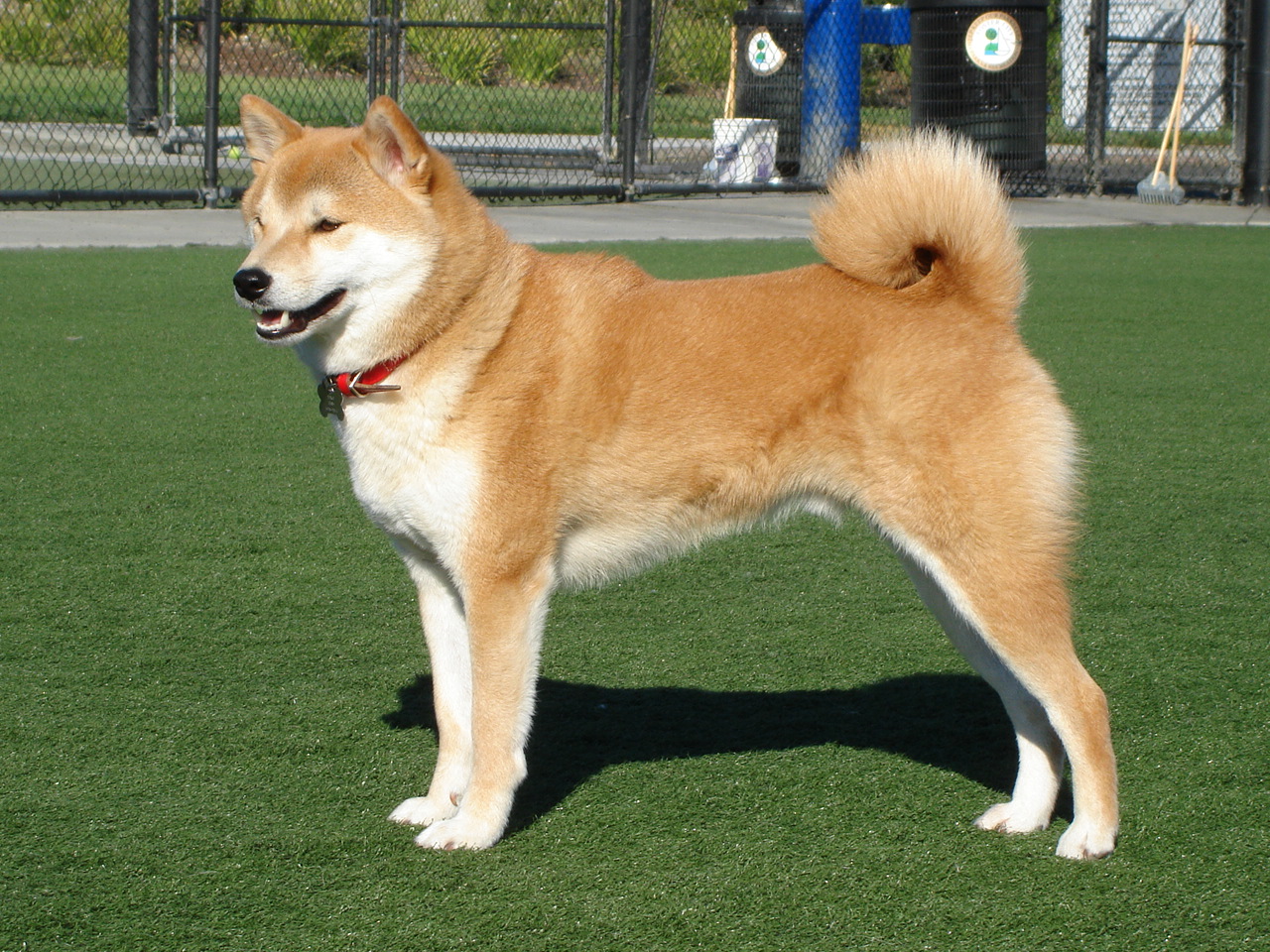
Shiba Inu
Dog · Small-Medium · Japan
Health risks: Allergies, Hip Dysplasia, Eye Conditions, Luxating Patella

Spanish Water Dog
Dog · Medium · Spain
Health risks: Hip Dysplasia, Eye Conditions, Hypothyroidism, Allergies

Toy Fox Terrier
Dog · Toy · United States
Health risks: Luxating Patella, Legg-Calve-Perthes, Von Willebrand's, Allergies

Welsh Terrier
Dog · Small-Medium · Wales
Health risks: Eye Conditions, Allergies, Epilepsy, Hypothyroidism